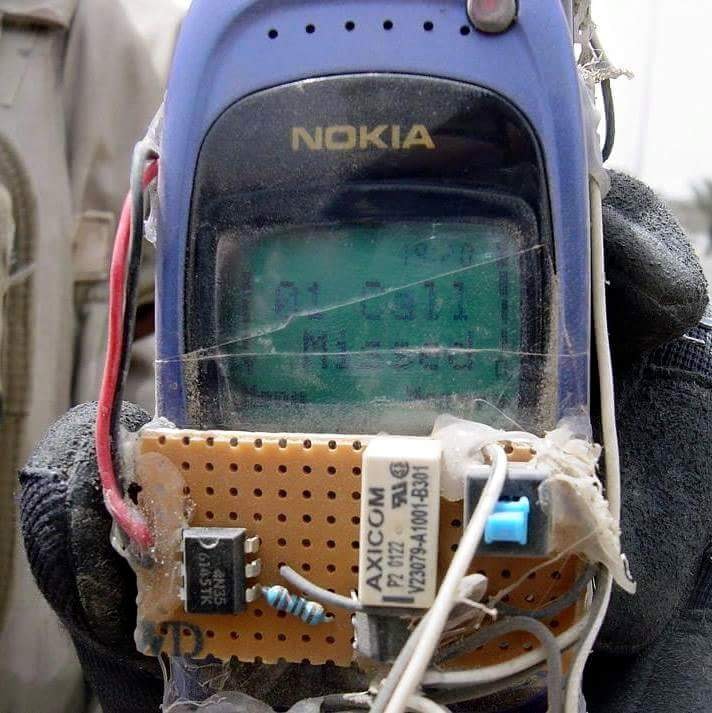
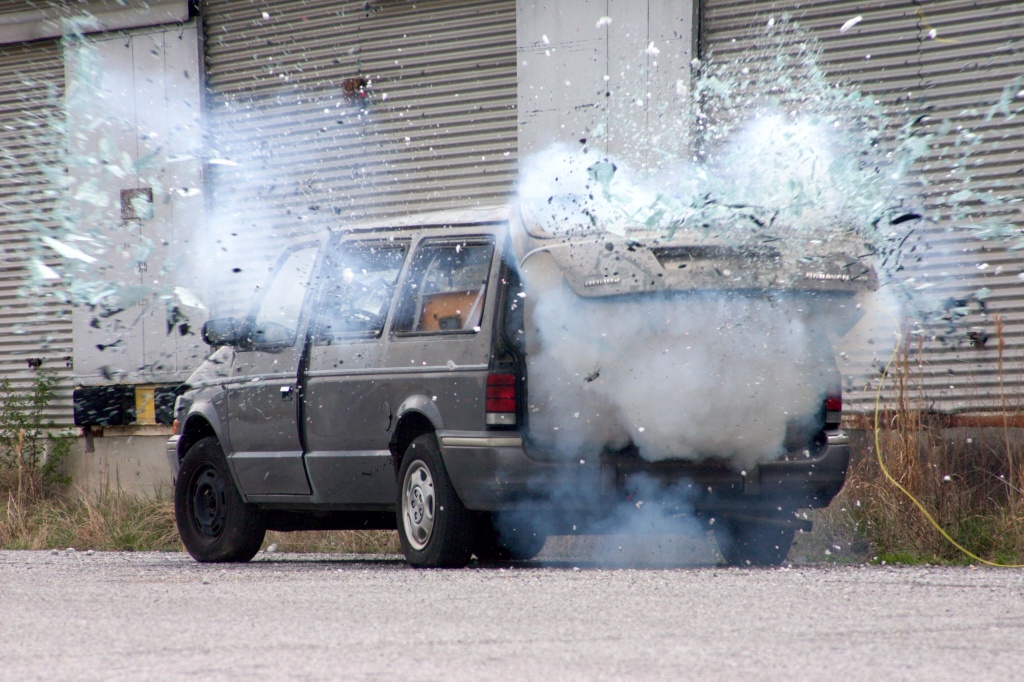
Very efficient, easy to build, simple to conceal, Improvised Explosive Devices are the main weapons used by terrorists foreign and domestics.
Did you know almost 70% of coalition casualties in Iraq and Afghanistan wars were due to IEDs? They were also used in 80% of attacks in Syria, 90% in Mali, Somalia, Libya, and Iraq. From Northern Ireland, France, England, Spain, Israel, or the USA, no one is safe from the threat of an IED.
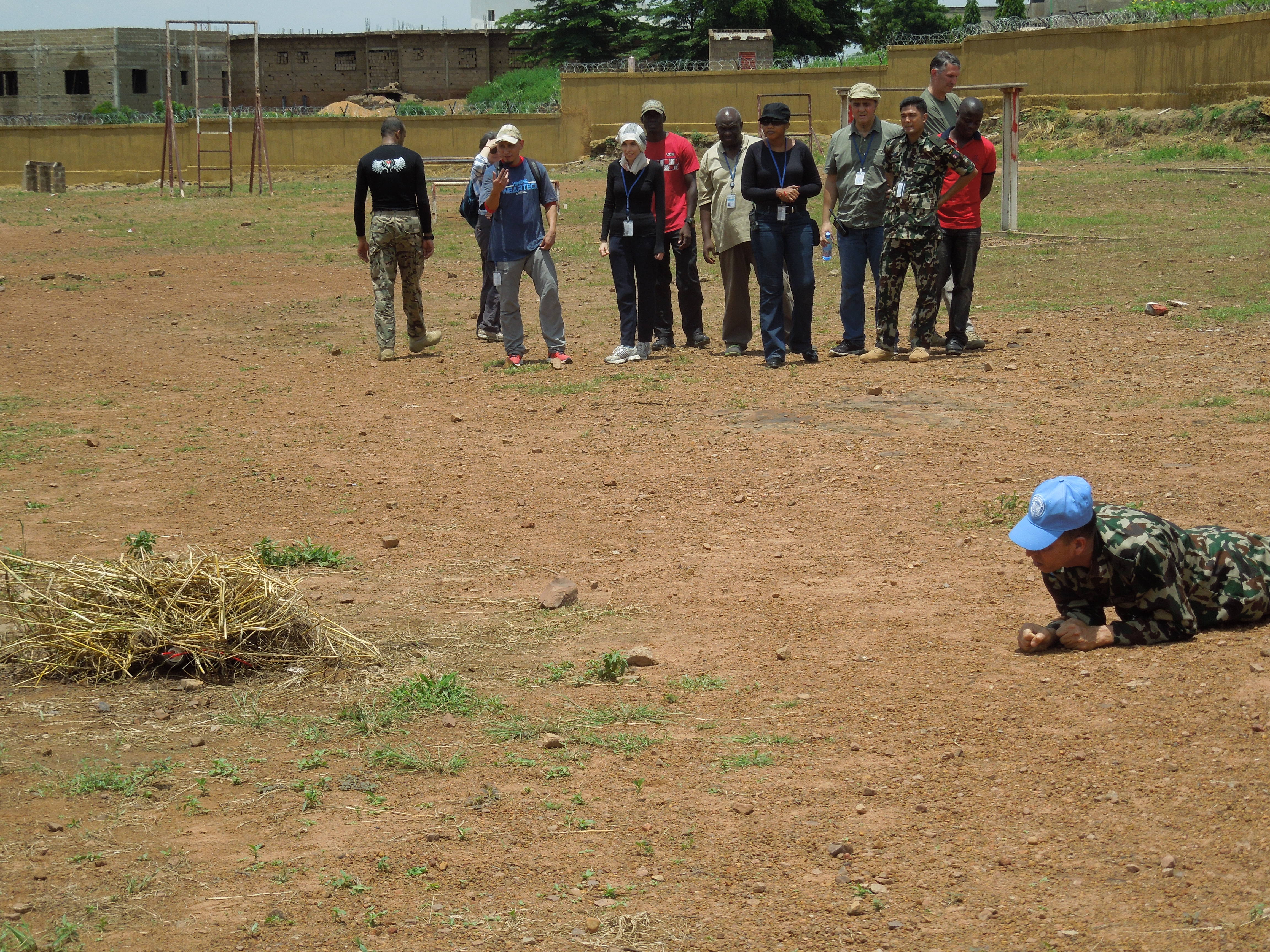
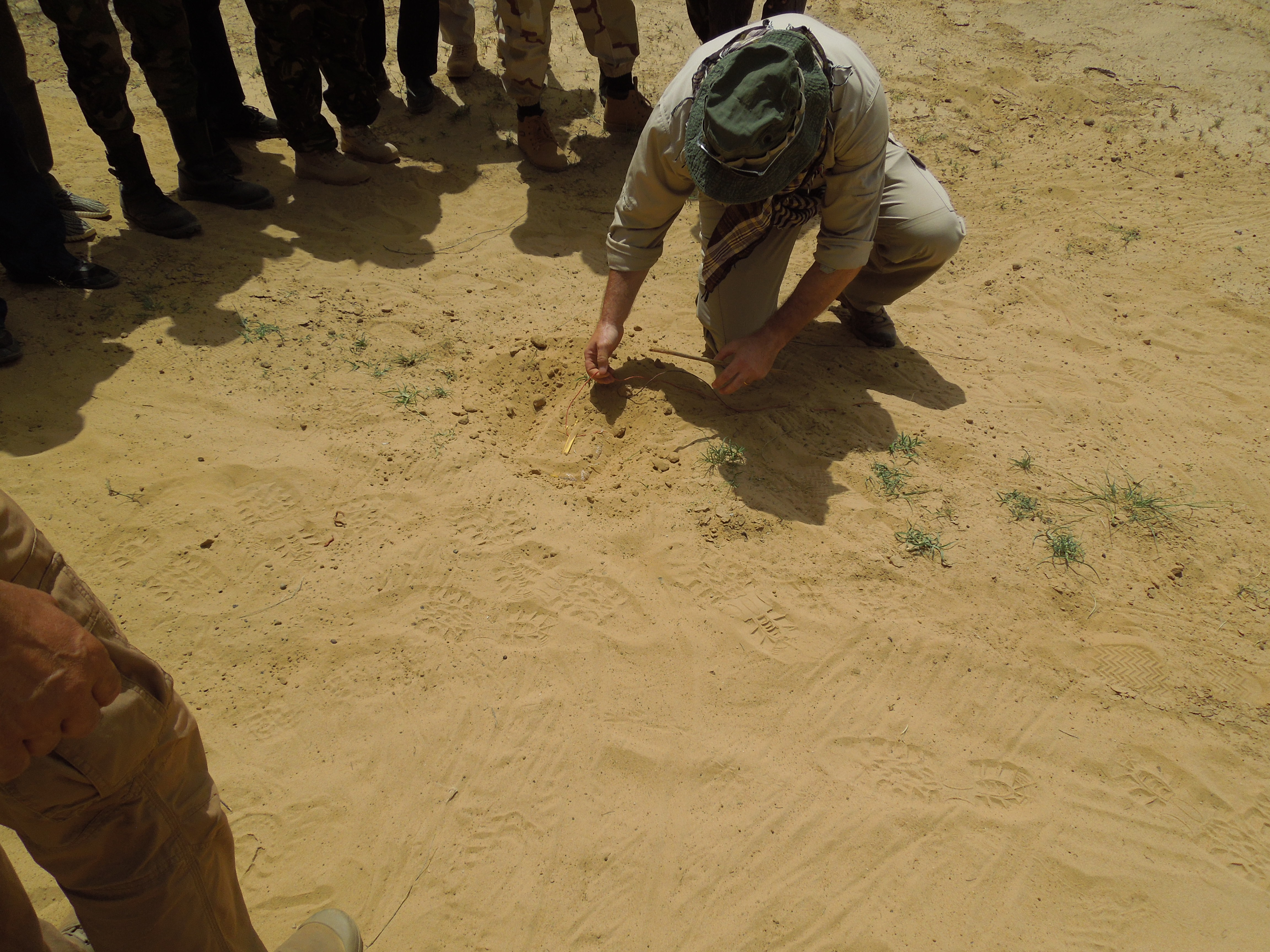
This course will show you how they are built, used and involved in simple to complex attacks. Plus, you'll learn how to recognize, defeat and avoid them. This course is approved by the United Nations for its employees in war zones and is designed for Law enforcement, security and close protection specialist, NGO, journalists and other individuals deployed in high risk locations.
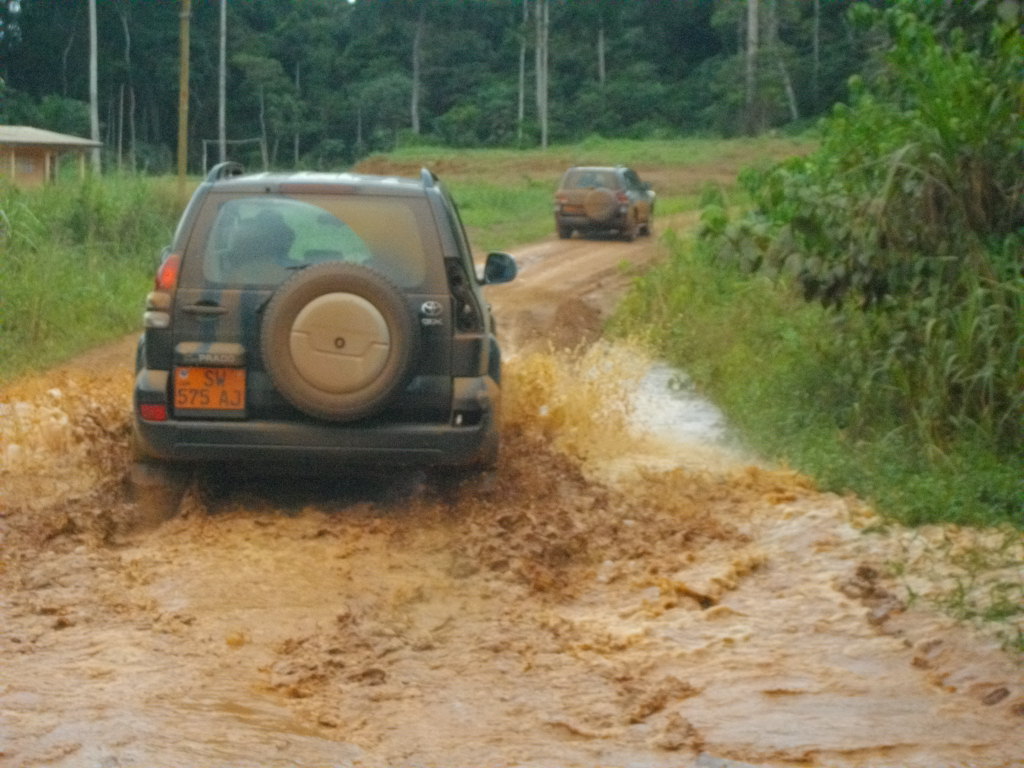
A detailed comprehensive course on the ancient art of ambushes delivered by an expert with years of experience whose main purpose in life has been setting and countering ambushes in hostile places. You will delve deep into the concepts of the oldest military tactic that’s now been updated and adapted to modern threats and situations. This is must-have knowledge for military personnel, private security contractors, close protection specialists and law enforcement agencies.
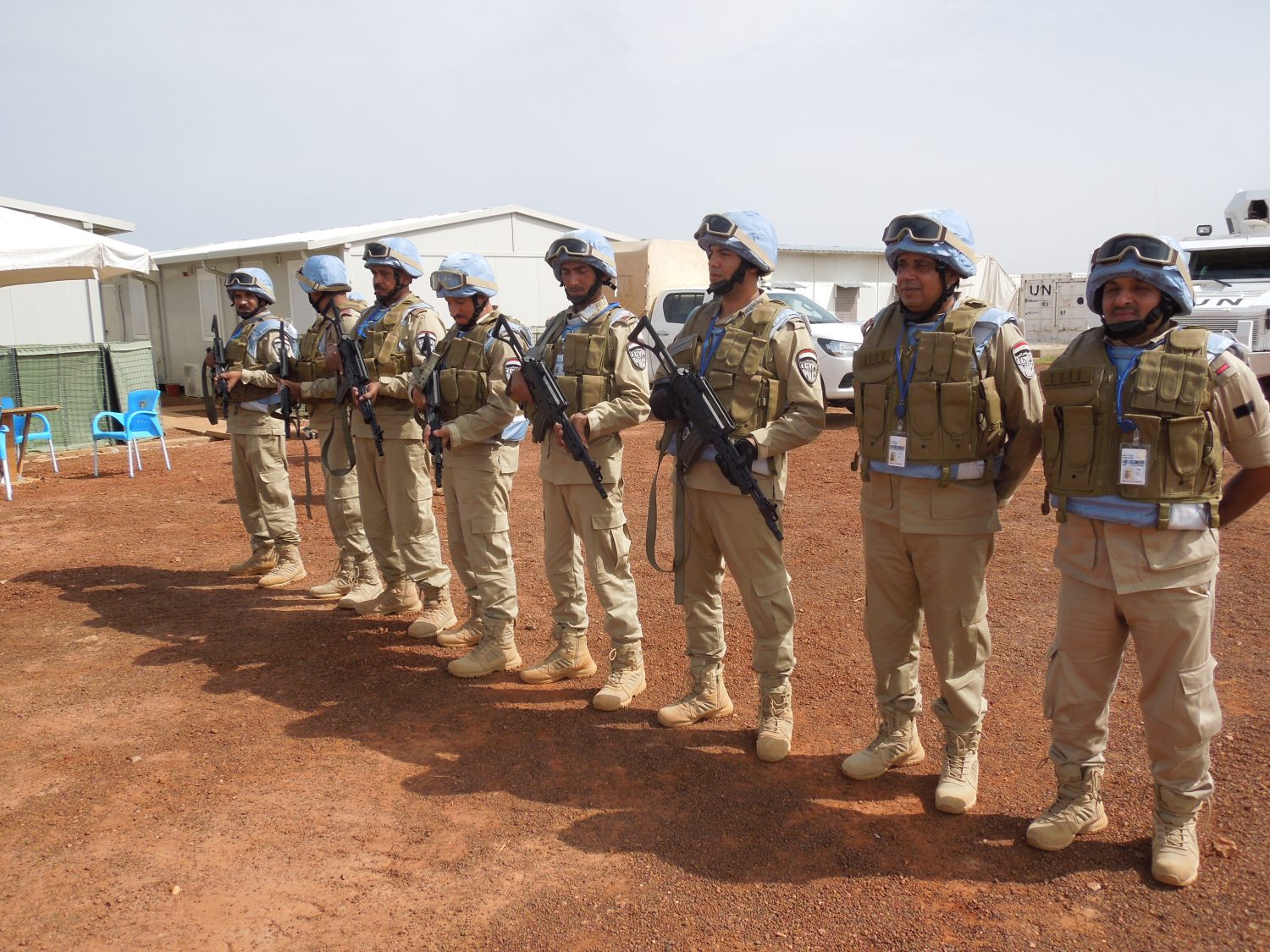
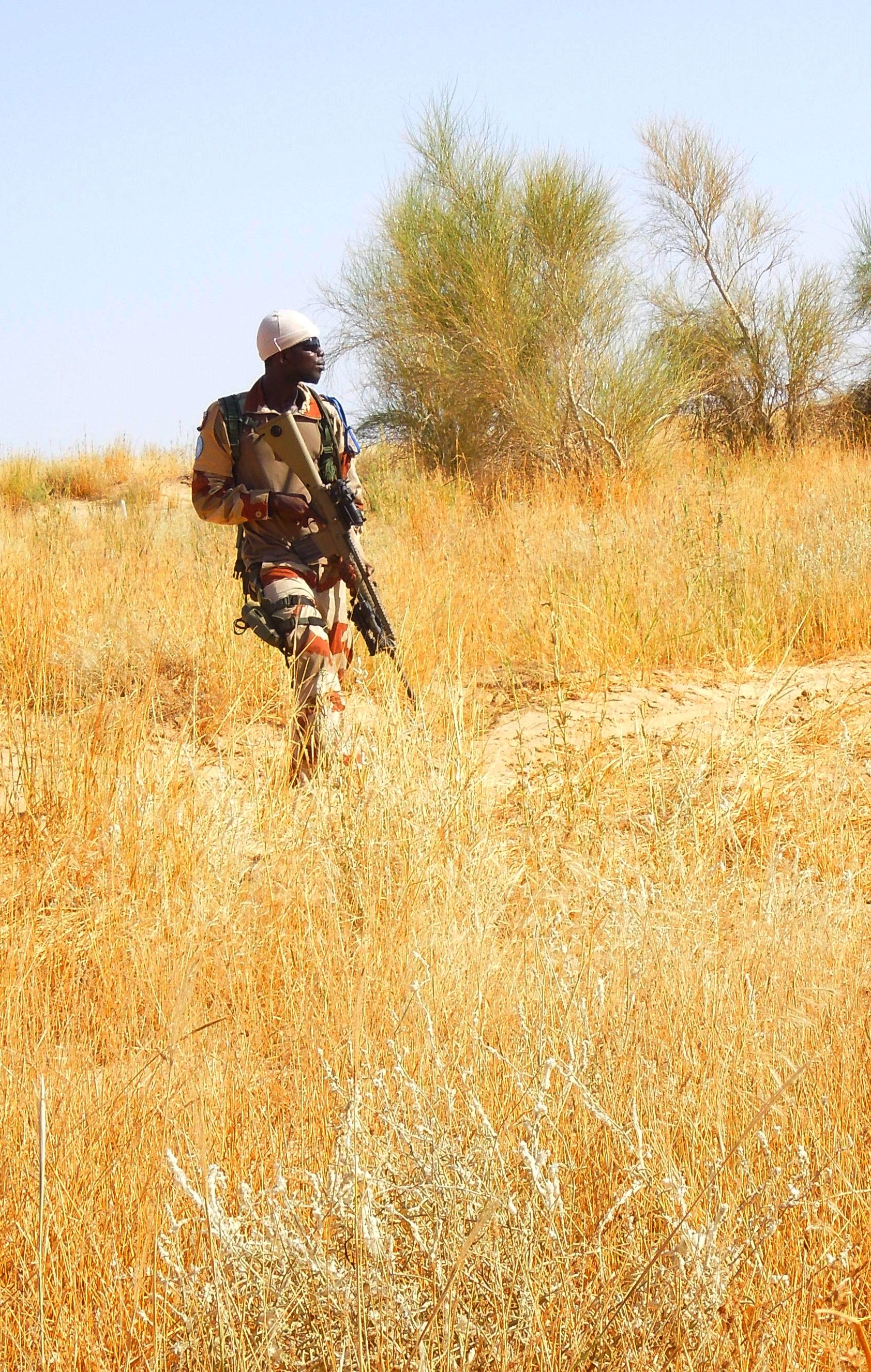
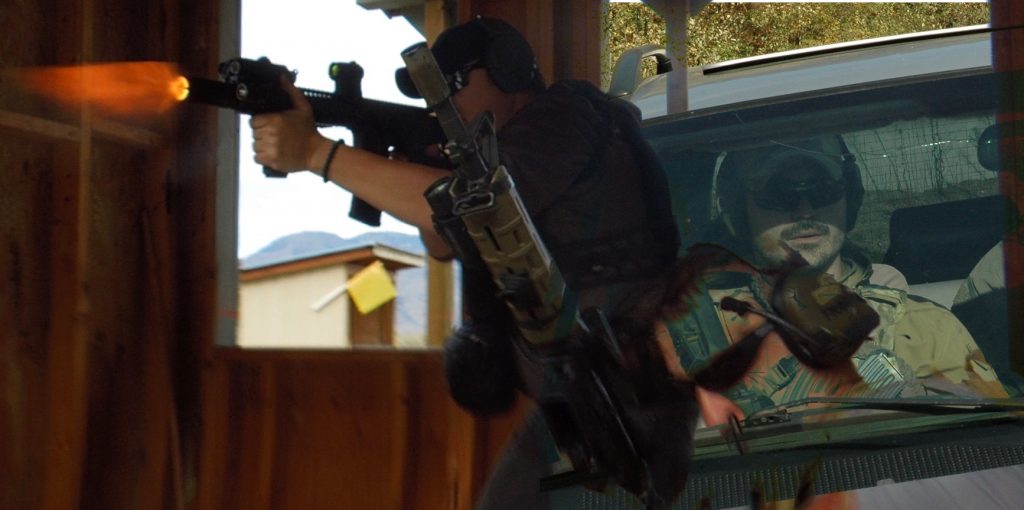
Designed to confirm or bring armed professionals up to industry standards before employment in high threat location, this two days course covers all non-mission specifics topics to guaranty new team members will be an asset and not a liability.
The private security industry expectations and regulations have pushed for high standards and qualified and vetted professional are in high demand but with professionals coming from various backgrounds, clients, employers and insurance company usually require proof of qualifications and competency.
HEDS is not only a shooting course
HEDS is not only a fighting course
HEDS is only about standards
HEDS is a very demanding and challenging professional development course that will confirm or refresh your ability to be a valuable element to your employer, your teammates and the client , leaving no doubt about your mindset, your attitude, your efficiency and your qualifications.
During 2 days, HEDS will challenge your weapons handling, communication skills, learning ability and even your customer service level, preparing you for exciting jobs where armed security is needed.
This course combines formal drills, exercises, simulations and lectures designed to make sure you will be an effective team member with high weapon manipulation skills, professional attitude, sound technical knowledge and superior ethics.
Built with the vetted armed professional in mind, HEDS could be the start of an exciting career for individuals leaving the military or a law enforcement agency but also for the advanced shooter interested in the private security industry.
Proficiency in trauma and combat related injuries is mandatory for any professional working in high threat locations. Battlefield Medicine is based on the Tactical Care of Combat Casualties principles and covers topics about care under fire, catastrophic bleeding, triage, airway management, IKAK, patient care, evacuation, prolonged care in remote settings, etc.
Due the nature of the course content, a vetting process is in place and students must be prepared to supply documentation regarding military or law enforcement background and advanced firearm training.
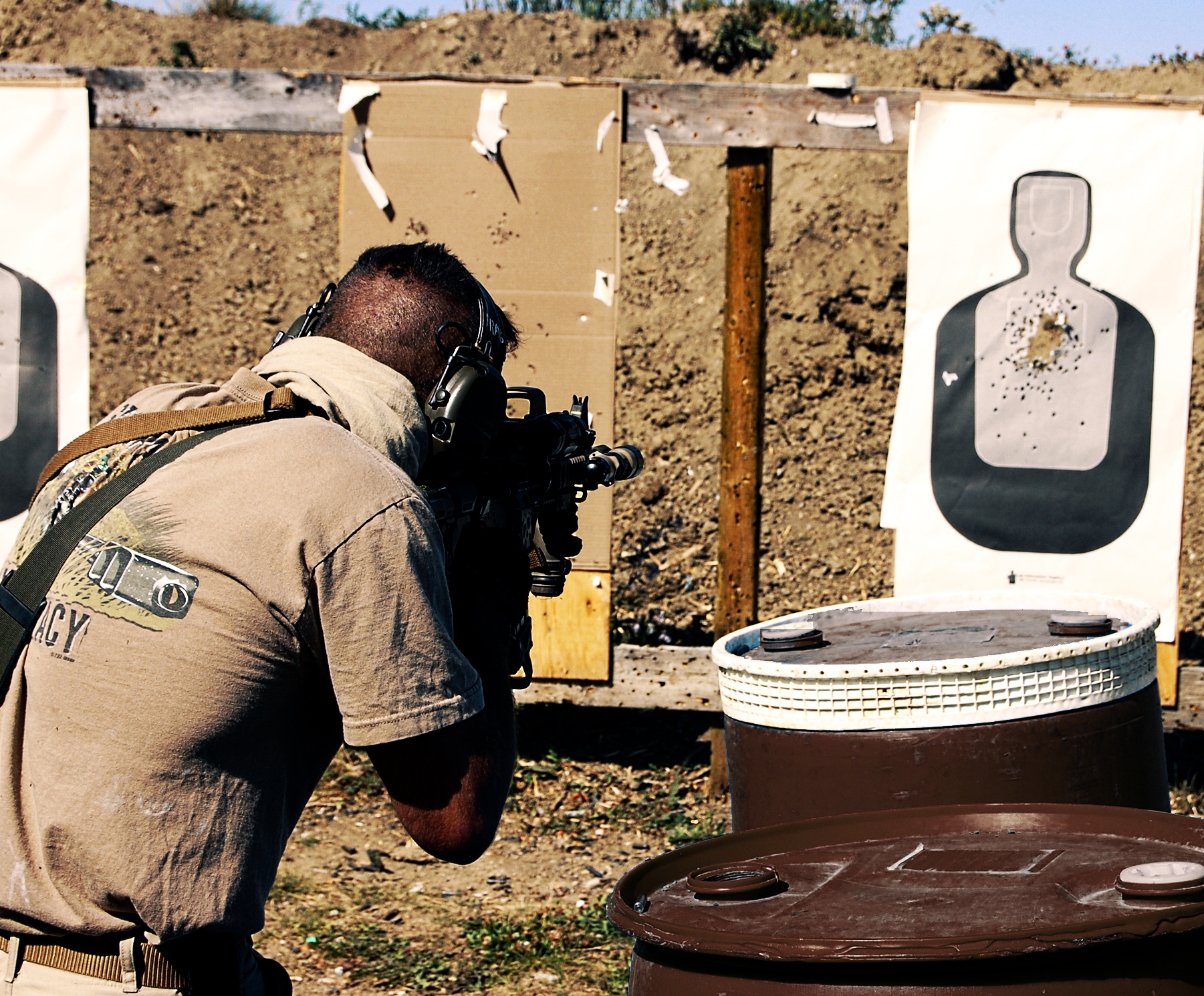
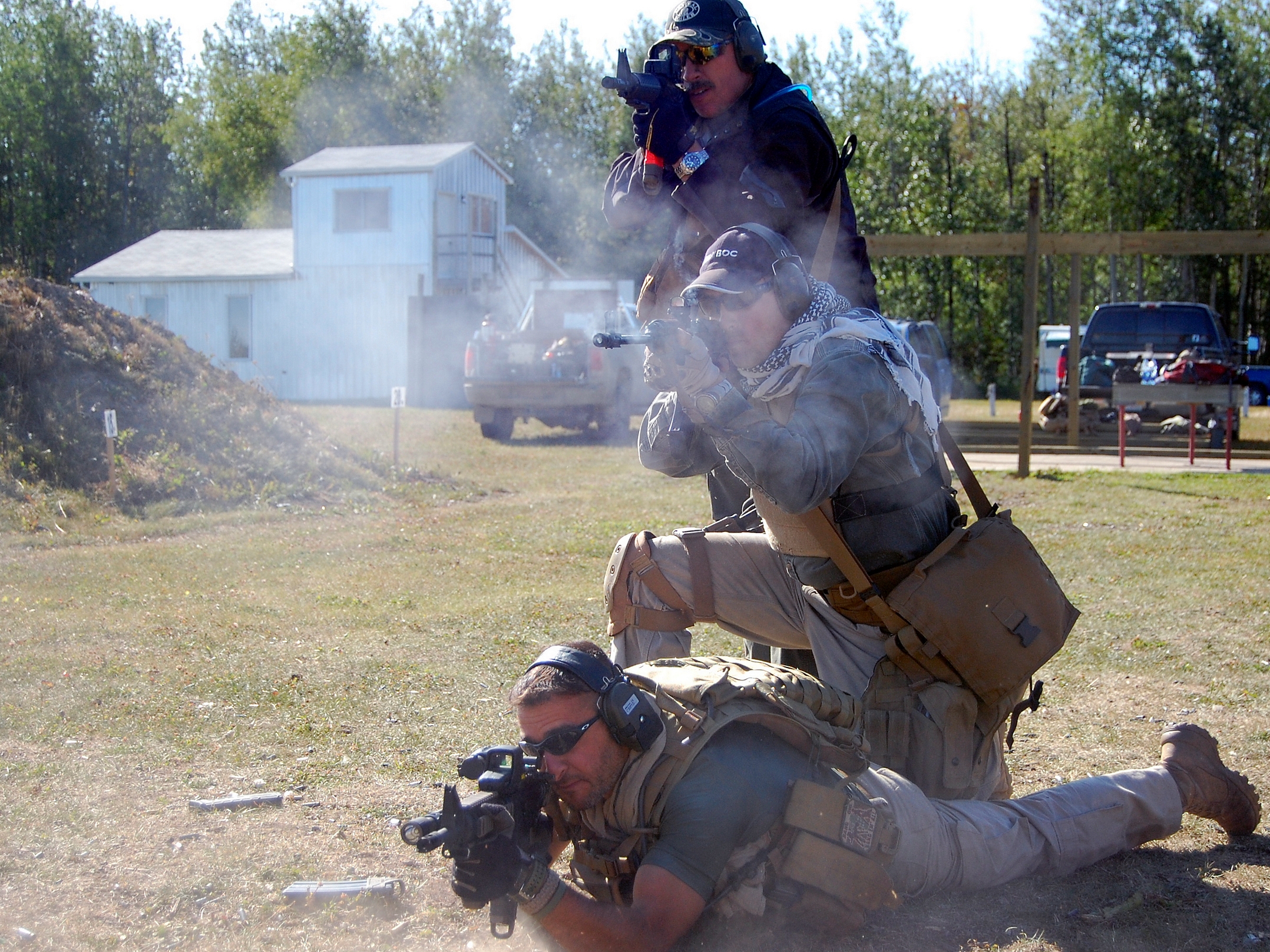
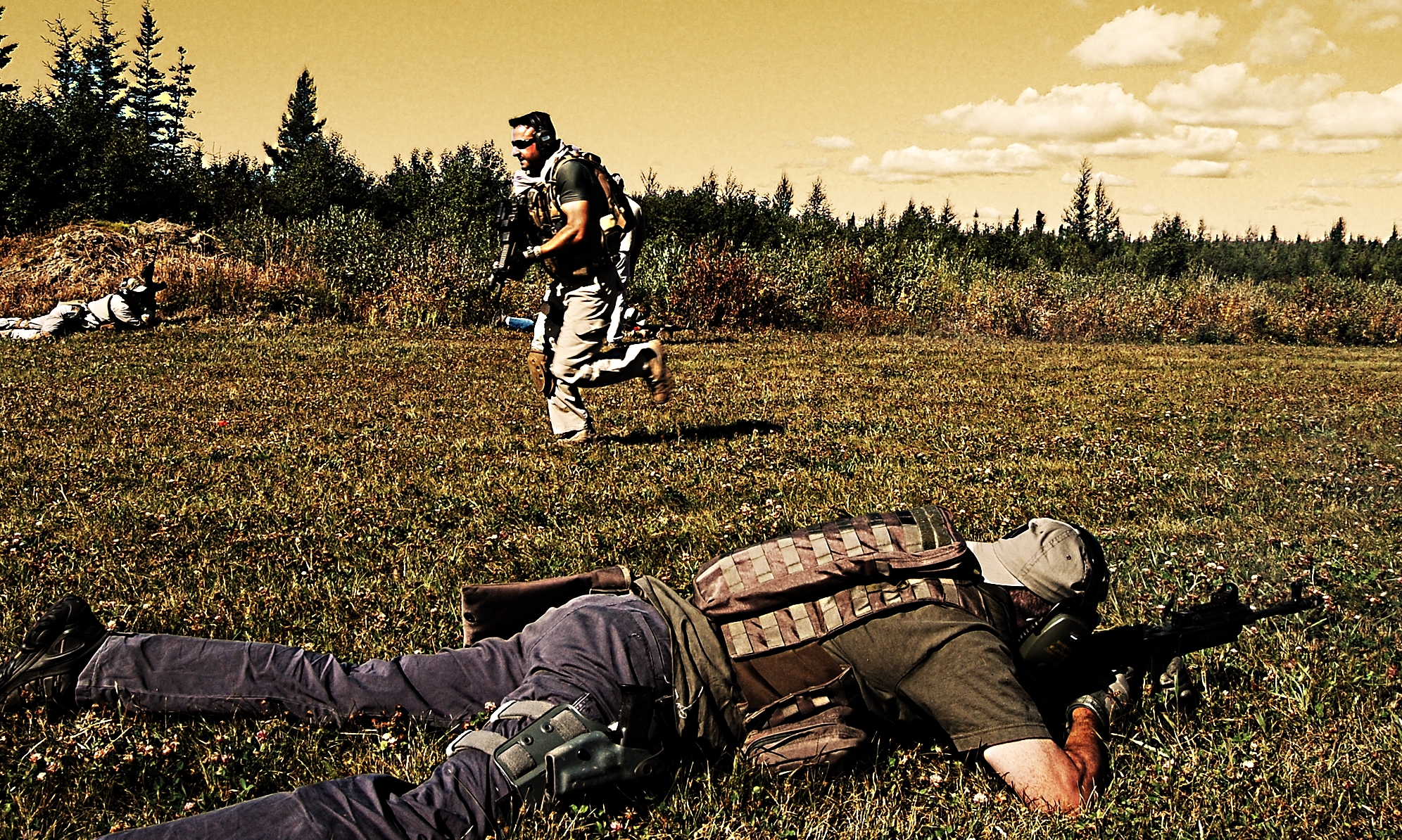
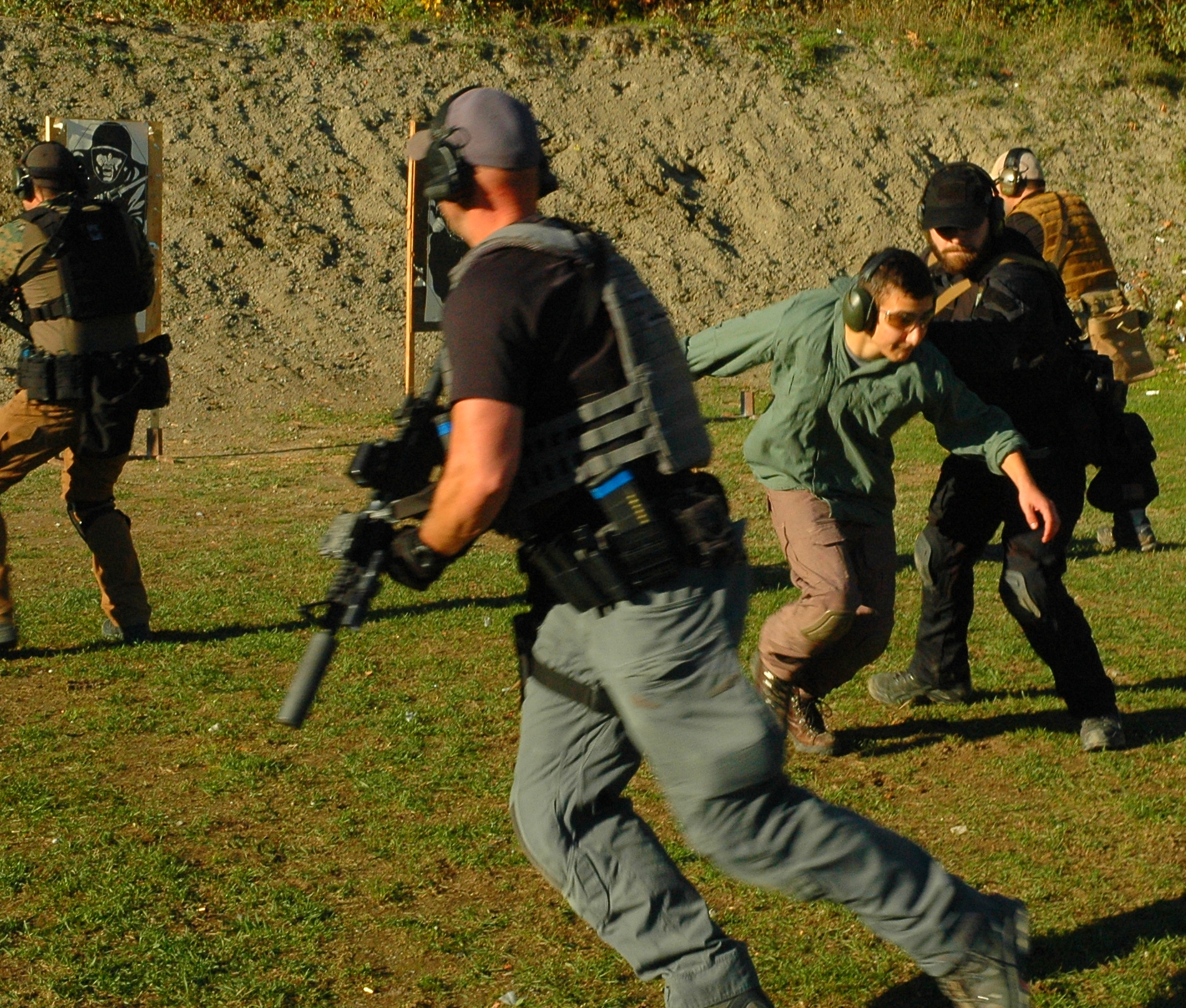
A 2 day fast paced course that will take you on the path of gunfighting, from shooter to fighter. If you plan to carry a gun, this class is the down payment for a set of skills required for any gun bearer.
"The same way a fighter pilot isn’t concerned with flying during a dogfight, a modern warrior should not be concerned by his shooting technique and should just focus on the Fight."
This class contains very intense and personalized training that will challenge you in a safe and controlled setting and allow you to master your trade. It's a necessary step if you plan to get involved with firearms, as well as a gateway to advanced tactical training.
It's designed with Private Security Contractors, close protection specialists, and law enforcement officers in mind, but will also benefit any competitive shooters and firearm enthusiasts. Call us up for information on the next course now.
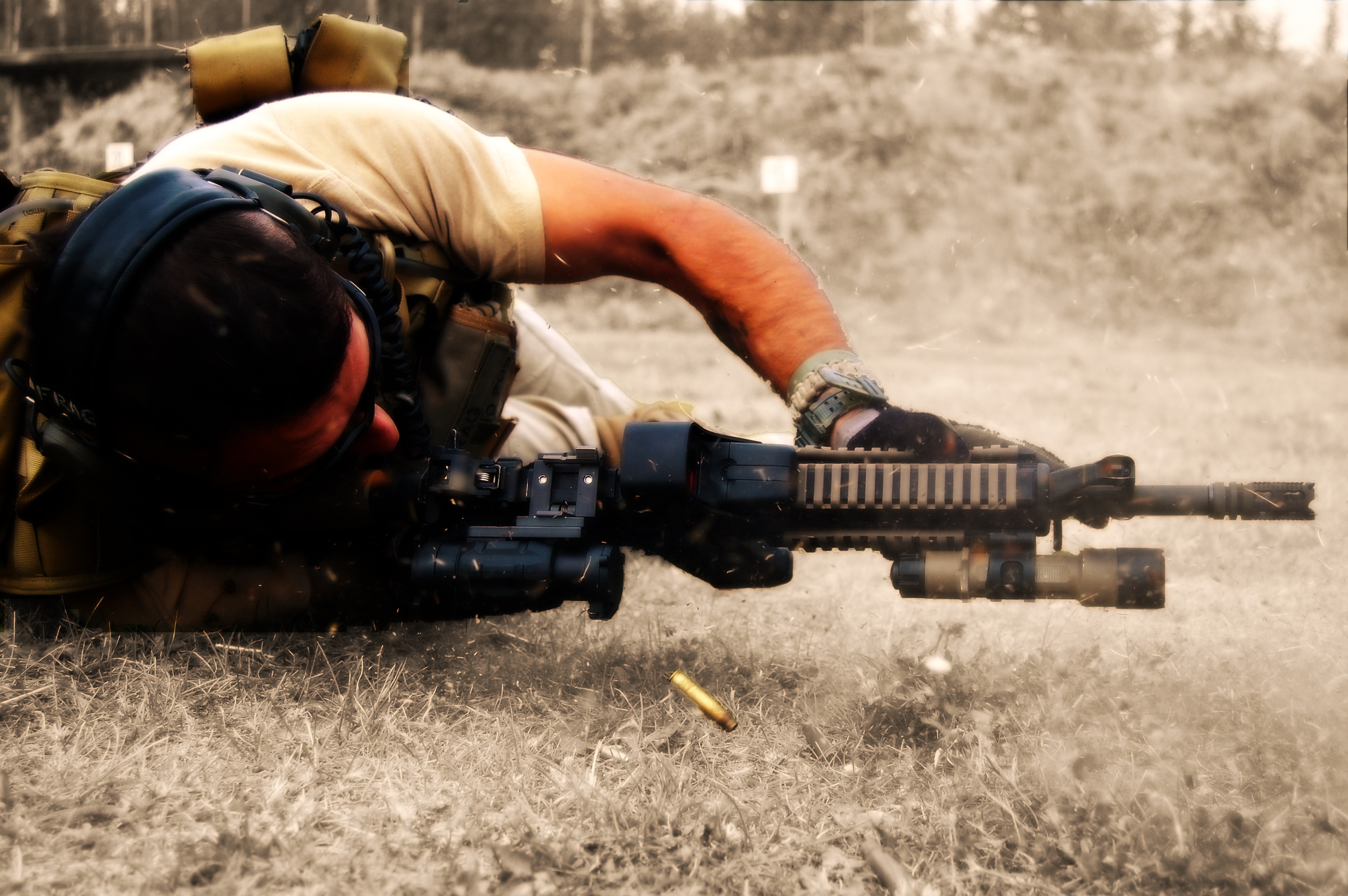
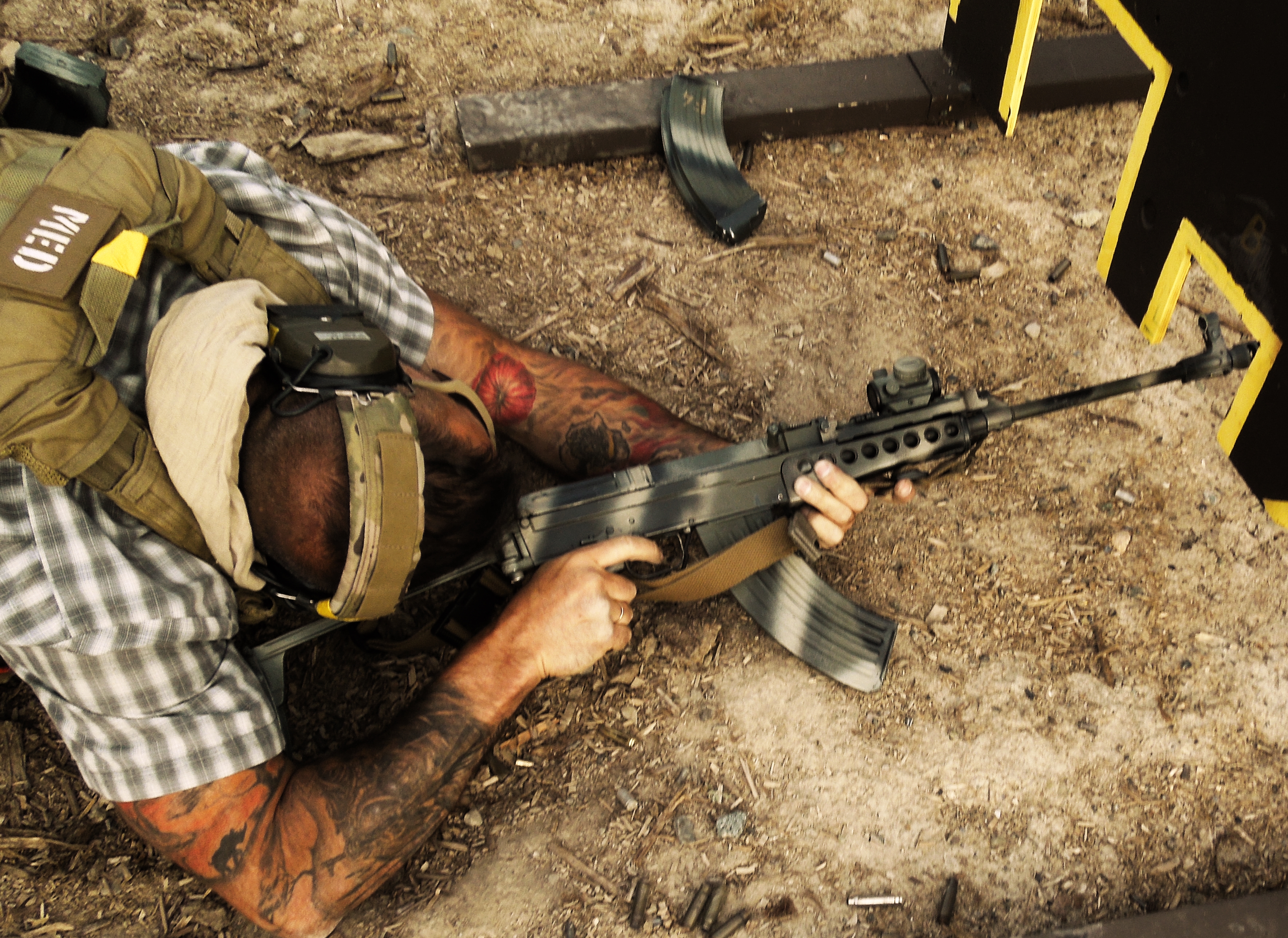
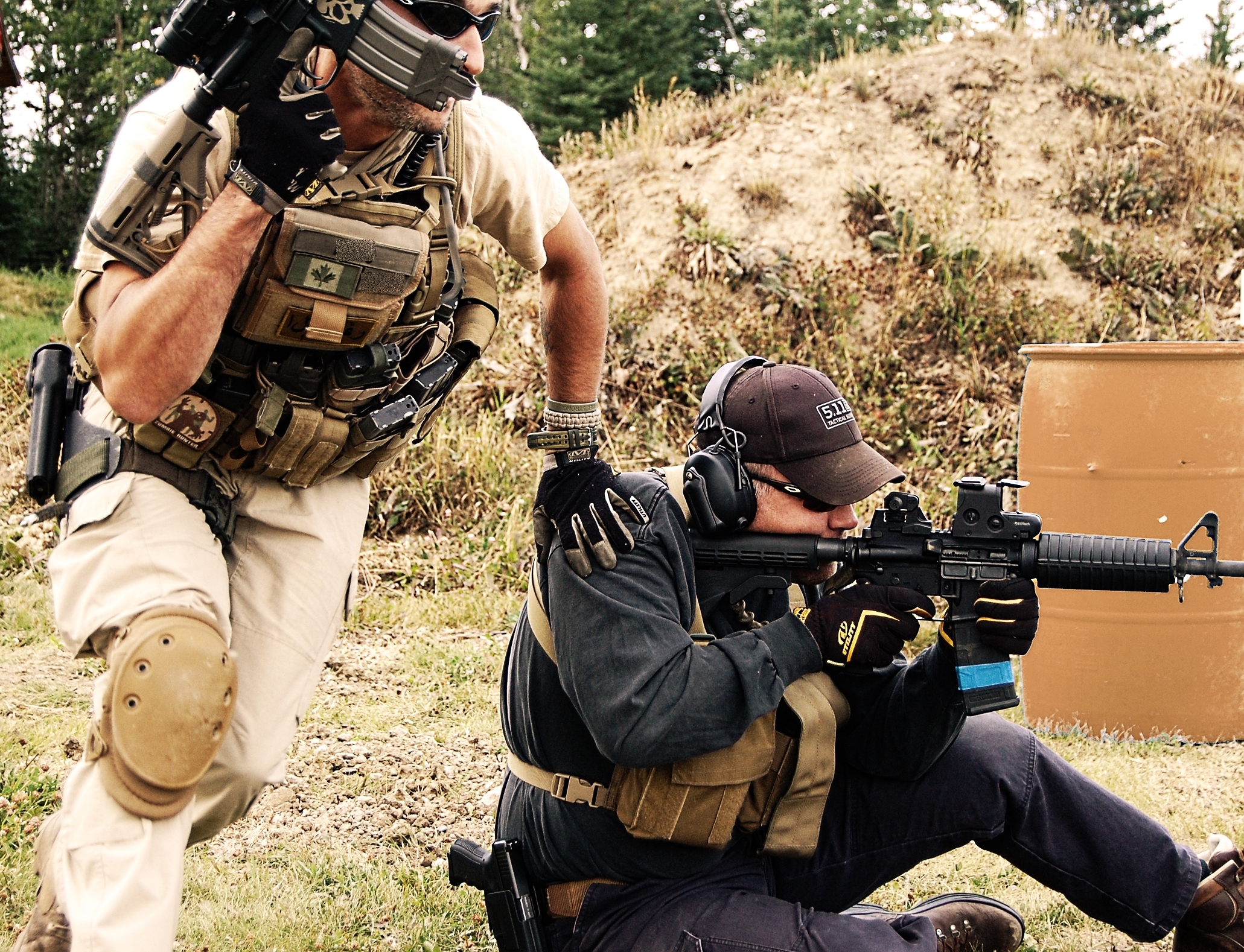
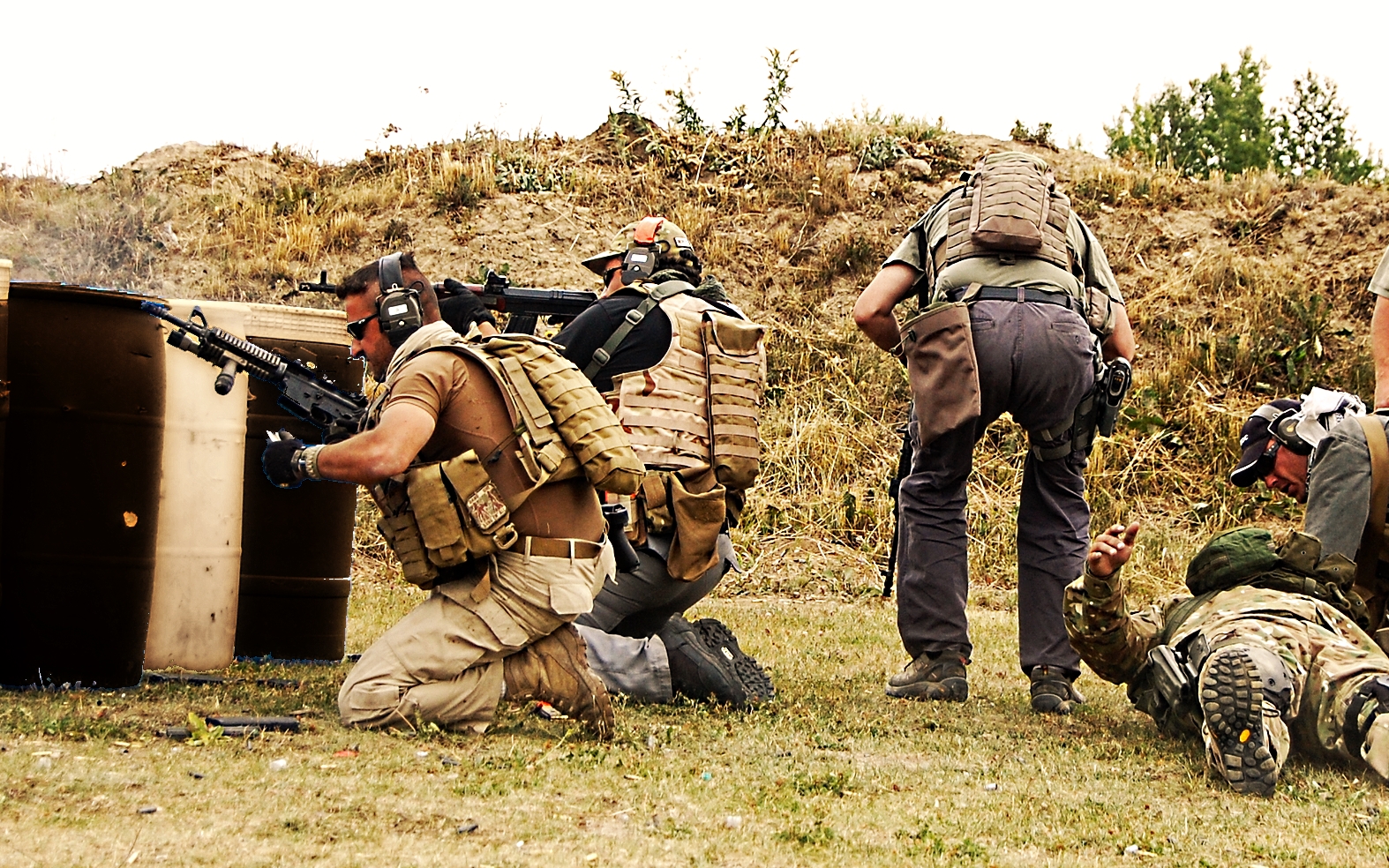
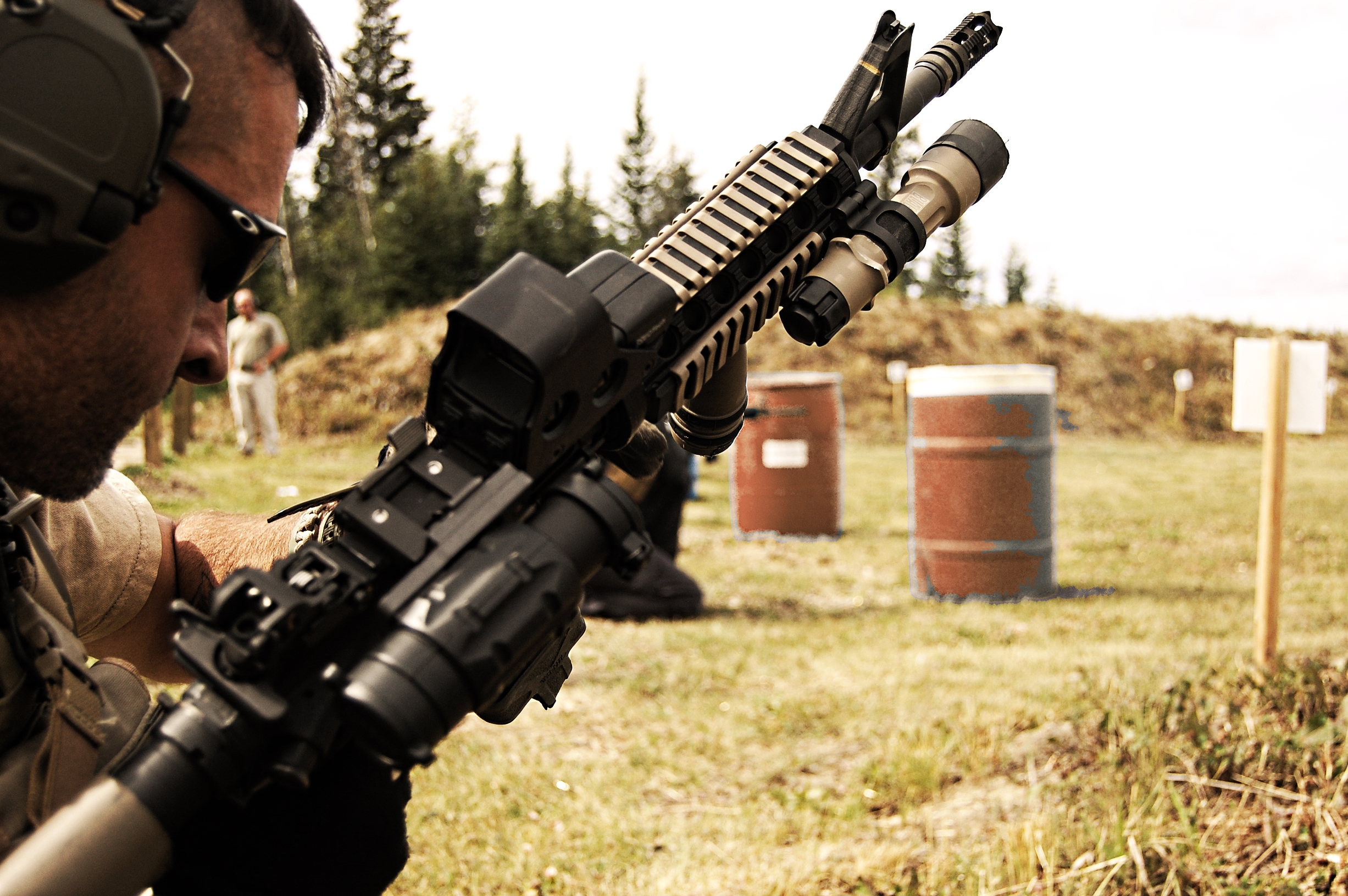
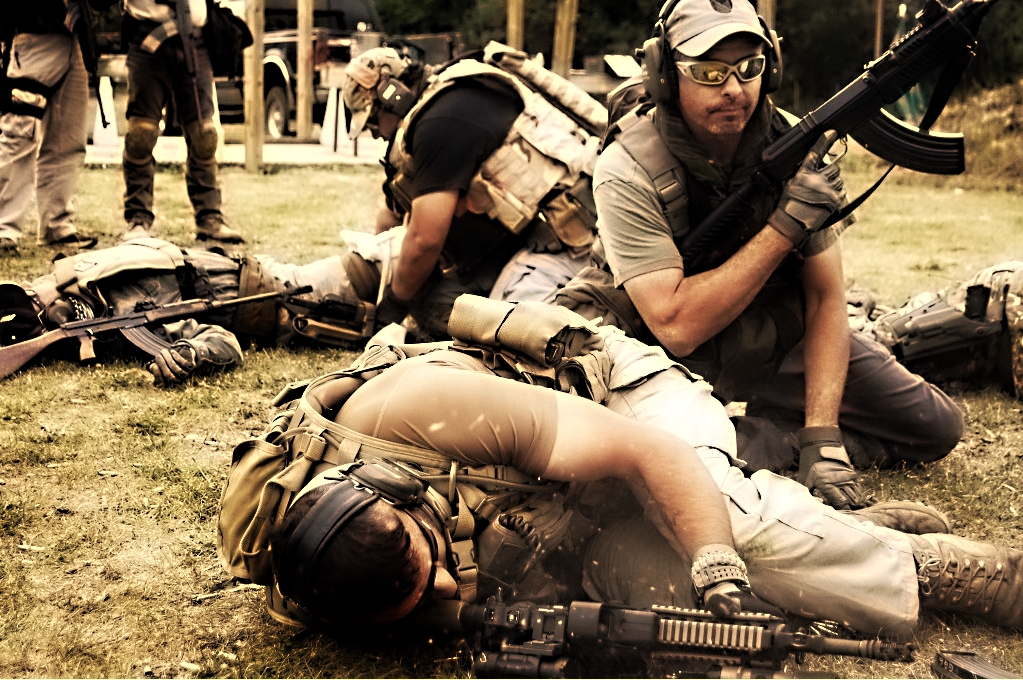
This intense course will take you from pistol owner to fighter.
Combat Pistol prepares you to prevail in a deadly confrontation, giving you the tools needed to win a fight. Designed with the gun wearer in mind, this course is a necessary add-on to any formal training and a prerequisite for most advanced courses.
If you are a law enforcement officer, security contractor or a close protection specialist, this class is targeted for you. This is a lifesaving course covering everything involved in handgun fighting.
This demanding course can be done over two days, but experience has shown us that a block of 3-4 hours over a period of time is more beneficial. This allows our students to master the drills and skills we are teaching before they move on. Learn more by talking to one of our specialists today.
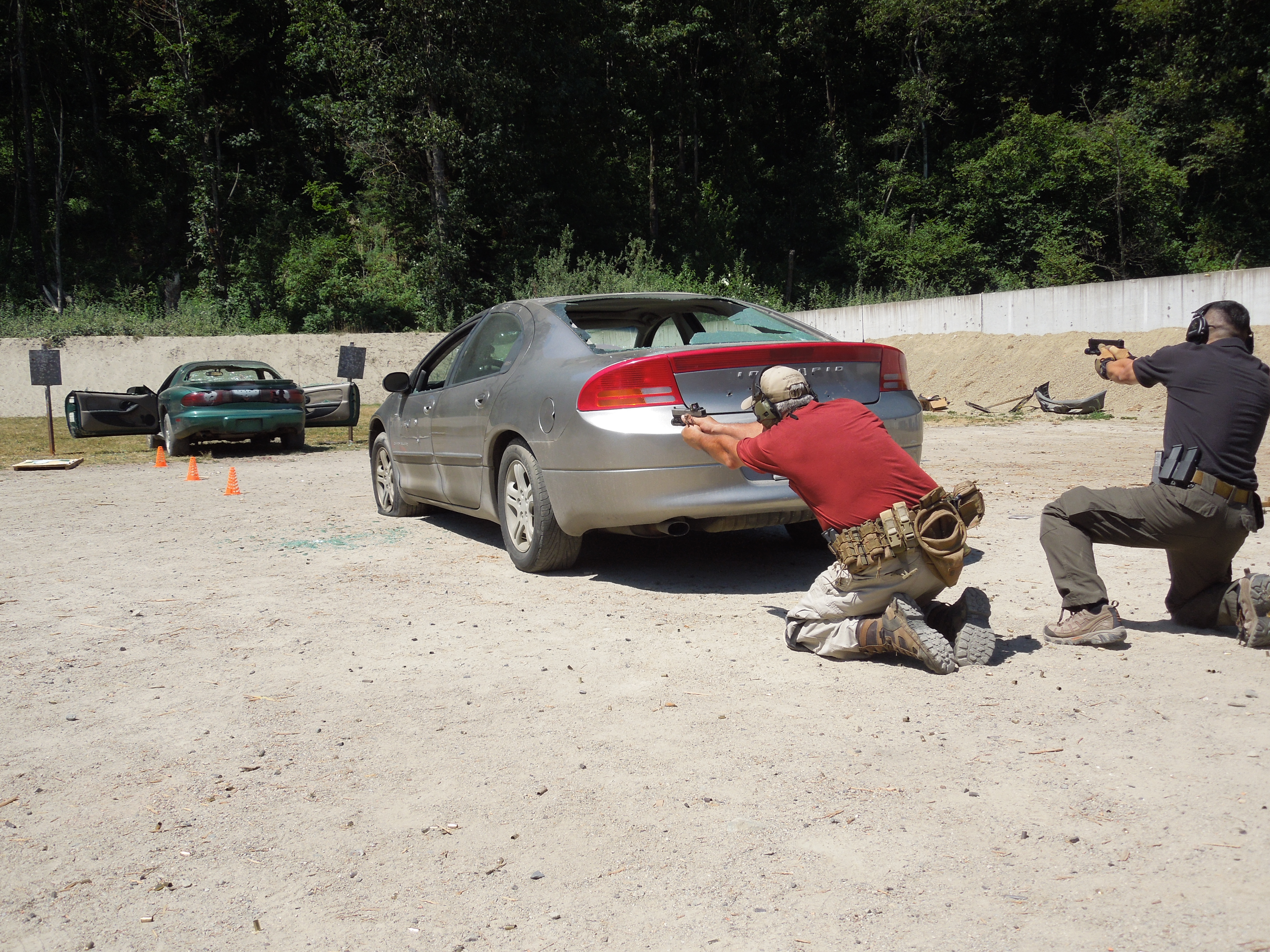
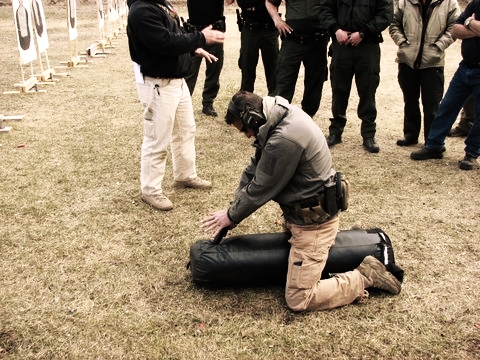
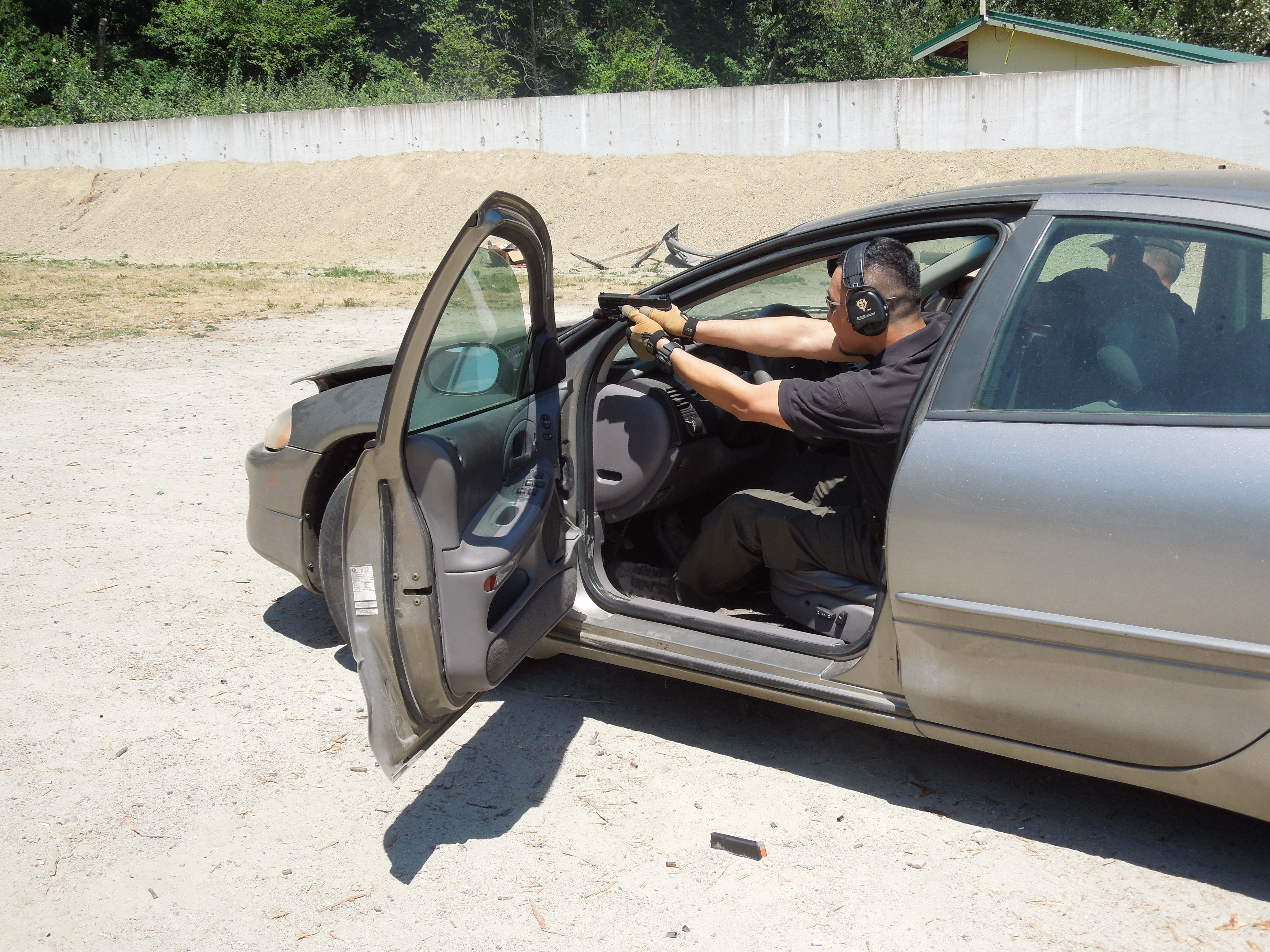
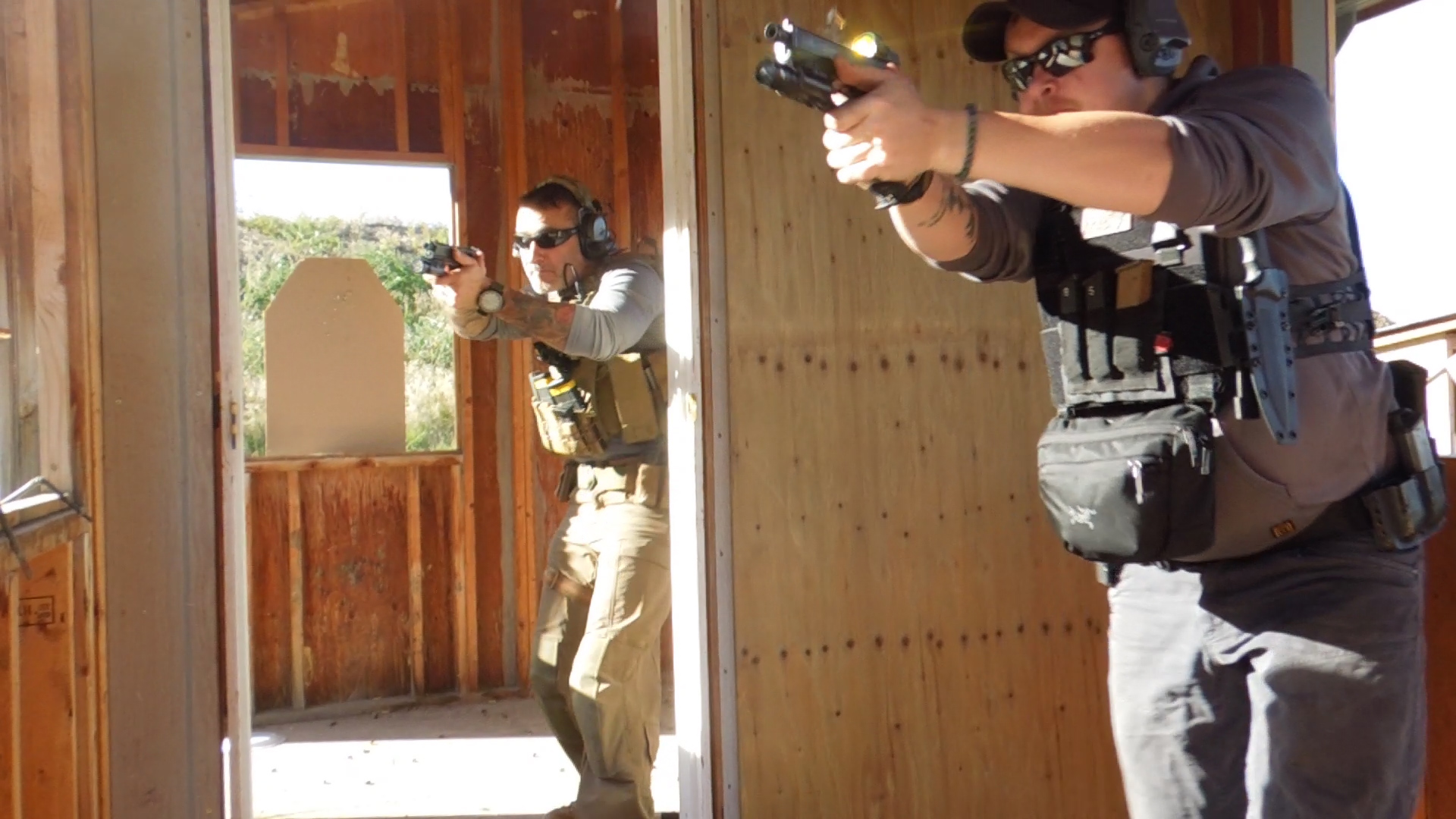
Note: "The RCMP is prohibited from engaging in or being portrayed in any way that could give the impression that we are advertising or endorsing a private individual or business. "
Traditionally, the medical role of sworn officers has been to stabilize or neutralize a crisis injury scene so it’s safe enough for EMS to enter. Recent tragedies have caused a growing shift in community expectations as police officers are usually the first and only responders to security incidents. Simply based upon the nature of their duties, a significant percentage of officers’ medical-related encounters involve potentially life-threatening trauma, such as severe accident injuries or gunshot wounds to the head, torso, and/or extremities. More often than not, the casualty happens be a colleague or the officers themselves.
Since police officers arrive ahead of EMS some 70% of the time when both are dispatched, the public now expects officers to “do something” immediately to help injured or wounded parties until professional medical aid is on scene.
These officers may not be quite sure what that “something” should be, but reliable statics state that at least 100 times a day police in the US find themselves in such a position.
Law enforcement agencies known difficulties
Training: The vast majority of officers recognizes their lack of medical skills and desires specific training in tactical medicine that's been adapted to today’s threats. However, costs and time constraints are restricting training opportunities. Qualified instructors with relevant experience are few and widely scattered, and officers need to be sent to costly training facilities taking them away from duty for days.
Commonly, officers not affiliated with tactical teams are only trained in CPR (Cardiopulmonary Resuscitation) and basic bleeding control, making them legally prepared, but that doesn’t mean it’s an acceptable ethical standard. Some even question the utility of CPR given the number of police responses to trauma incidents versus cardiac arrest.
Equipment: Quite often law enforcement officers are issued relatively adequate first aid gear (IFAK) but aren't given proper instruction on its use, making them exposed to serious legal and ethical consequences, nullifying the benefit of the equipment as they are reluctant to use it.
Answer: To address these issues there's now a relevant, adapted, mobile, fast and affordable training course provided as the response from Rhodes Solutions with the proven and acclaimed “The Critical Gap.”
What is “The Critical Gap”?
“The Critical Gap” is a first aid course based on the TCCC principles (Tactical Care of the Combat Casualty) and aimed at filling “the critical gap.”
What's the critical gap? It's the typical time first responders spend on an injury scene before EMS personnel roll up to render medical care. The Critical Gap is designed to be a complement to any first aid training and is geared toward self-aid, critical incidents, gunshot wounds and managing multiple casualties with multi-system trauma in non-permissive environments
Why “The Critical Gap”?
Studies have shown 25% of all critical incident deaths are preventable. Almost 95% of victims will die before reaching a medical facility making police officers, bystanders and witnesses a decisive part of upping the survival rates.
First responders will save one quarter of all critical incident casualties with the proper mindset and training (“The Critical Gap” ™) and the appropriate equipment (IFAK).
Furthermore, law enforcement agencies, public officials, and anybody who must deal with the general public have a duty of care. The public and media assume these people have a certain level of training and preparation, and expect them to be ready and able to save lives, including their own, when paramedics are minutes away.
As the recent events have shown, public transportation, schools, concerts venues, sport events, can all become a battlefield filled with combat related casualties. Our first of the first responders must be ready to face these types of scenarios.
Who uses Tactical first aid course?
US Special Forces units were the first to implement Tactical first aid courses. After outstanding results (25% reduction of KIA), all modern military forces developed their program based on the TCCC committee principles. All United Nations personnel deployed in non-permissive areas must take a tactical medical course. With the influx of combat veterans in the US law enforcement agencies, TCCC is now a mandatory training in most departments. In Canada, RCMP ERT members are usually qualified TCCC and a very basic trauma course (BTEC) is being rolled out for regular members. We expect some kind of similar training and equipment will be made mandatory in the next future to all public facilities (Hartford Consensus & “Stop the Bleed” foundation).
Why not a full TCCC course for police officers?
Having trained hundreds of soldiers in Tactical Care of Combat Casualties we simply don’t believe it is the best investment for police officers. TCCC courses are typically developed for soldiers in combat zone, in contact, under enemy fire. TCCC is based around three phases: care under fire, tactical field care and tactical evacuation care. Care under fire involves mostly small unit tactics and fire superiority while tactical evacuation care is about long term care and evacuation. What really matter to a police officer are the couple minutes between the incident and the arrival of an ambulance, the tactical field care, the “Critical Gap”. In The Critical Gap course, we concentrate on the field care but we include important notions like scene safety, triage process and reporting making that course completely relevant to law enforcement applications.
What are you learning in “The Critical Gap”?
What are the different versions of “The Critical Gap”?
How do we teach The Critical Gap?
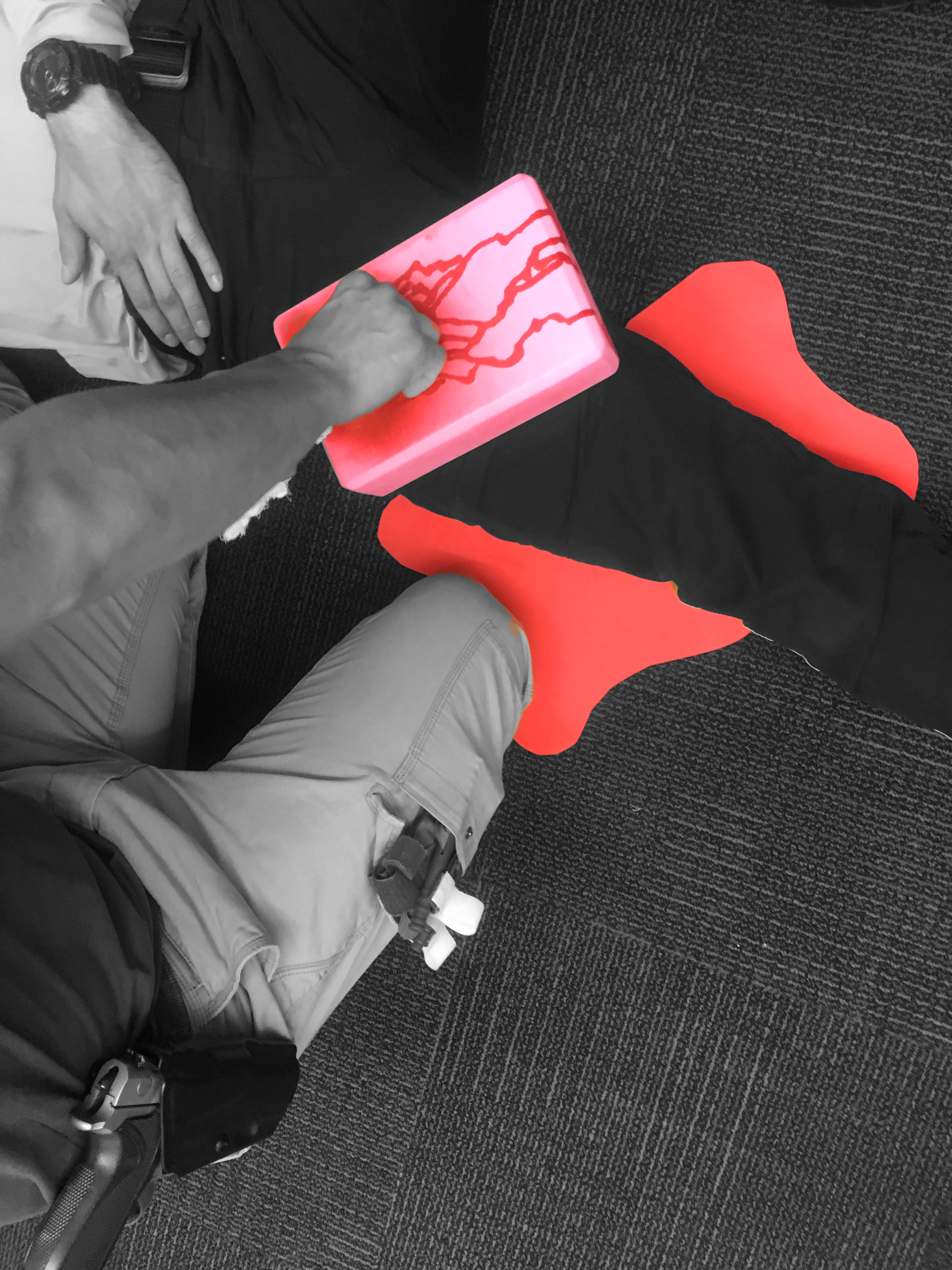
The Critical Gap is an 8 hours classroom course, complete with numerous exercises and scenarios. Students will learn about and apply a preponderance of hands-on practice applying tourniquets, hemostatic dressings, chest seals, as well as learn about other relevant treatment equipment and procedures, starting with self-aid and building up to the handling of more complex life-threatening situations. On request, this course can be taught on a shooting range and add element of “Force on force” or weapons manipulations.
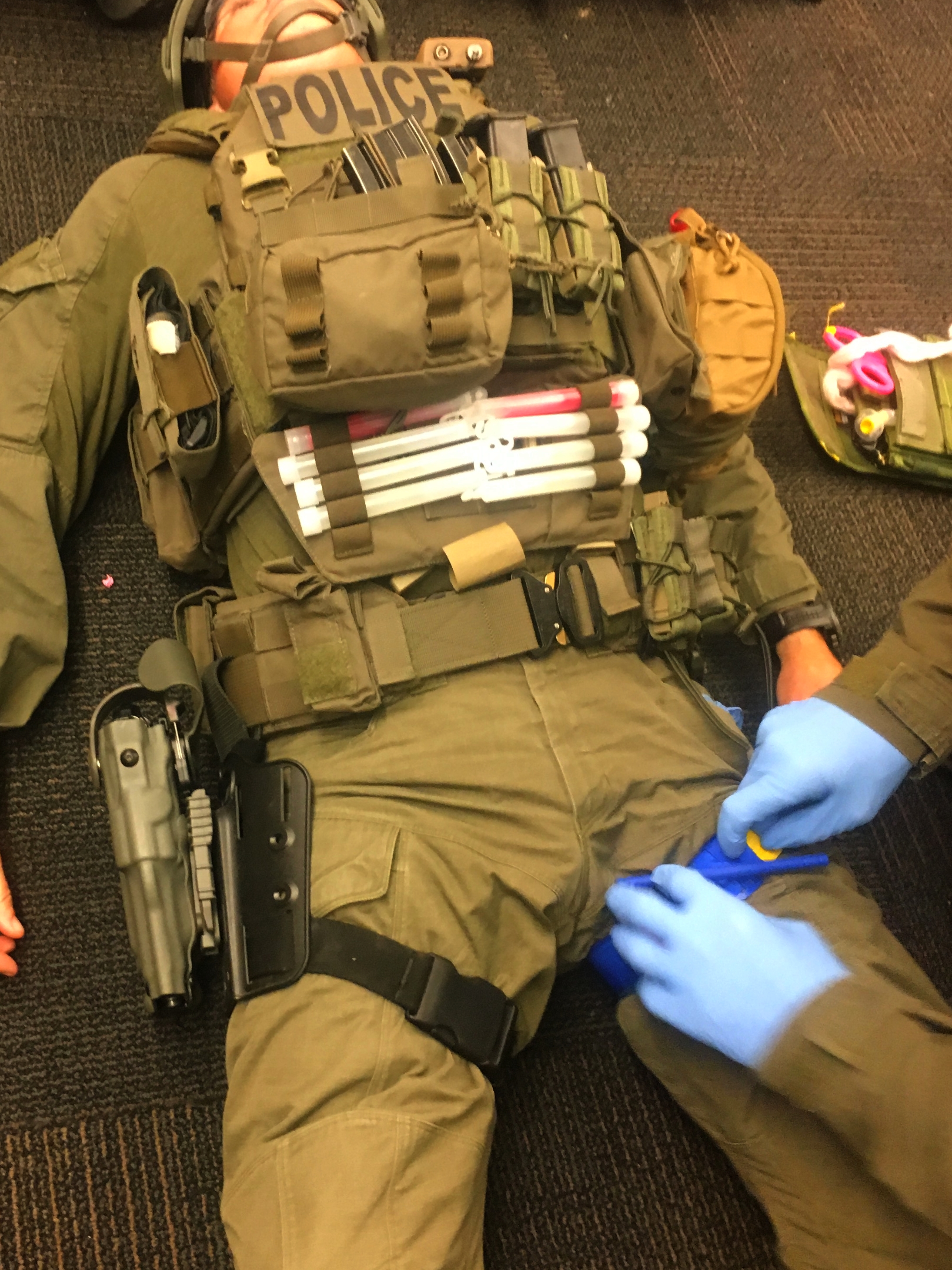


Battlefield Medicine is one of the best tactical medicine courses in Canada.
After years of training various military units around the world using the TCCC (Tactical Combat Casualty Care) guidelines we have put together the best comprehensive medical course adapted to your requirements.
Battlefield Medicine was built to answer the specifics of trauma encounter by tactical officers and security personnel, in one day.
This course is 8 hours of intense training based on TCCC principles which have been adapted to a variety of situations. Evidence based life saving techniques will help you provide the best trauma care possible to any combat casualties.
This is hands-on training using the latest medical equipment along with the issued gear, a variety of realistic and applicable scenarios, to allow students to be ready to deal with any trauma injury when the casualty can’t wait for an ambulance.
We have trained hundreds of soldiers and security professionals in conflict zones and the reviews and comments have been unanimous both on public and internal reviews.
This is our best-selling course, widely acclaimed by our students around the world. We have delivered this course successfully to foreign police and military, security contractors in high threat locations, United Nations employees in war zones, teachers and students, remote medics, competitive shooters, hunters and firearm enthusiasts.
Take this class and feel confident and in control of the situation
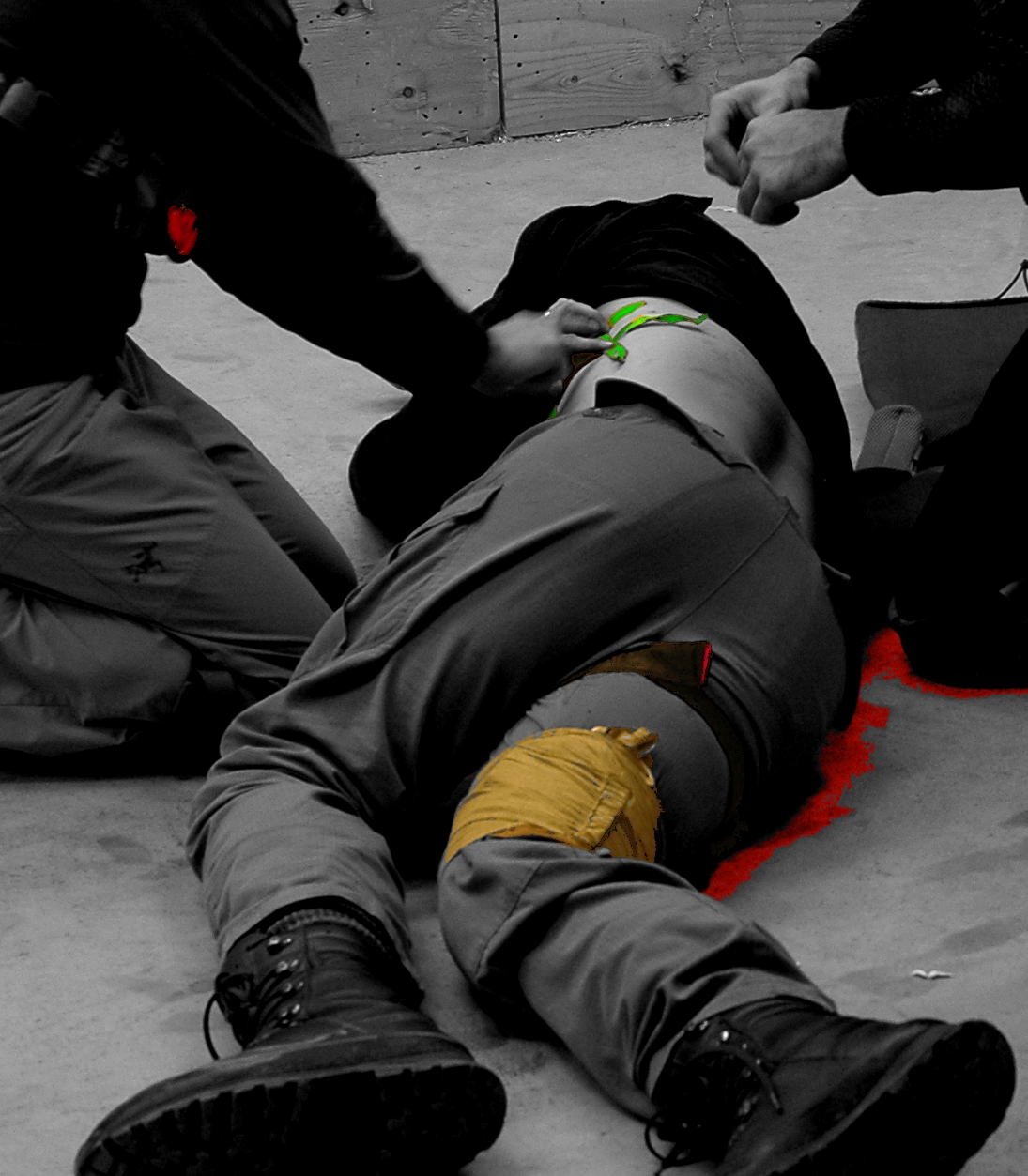
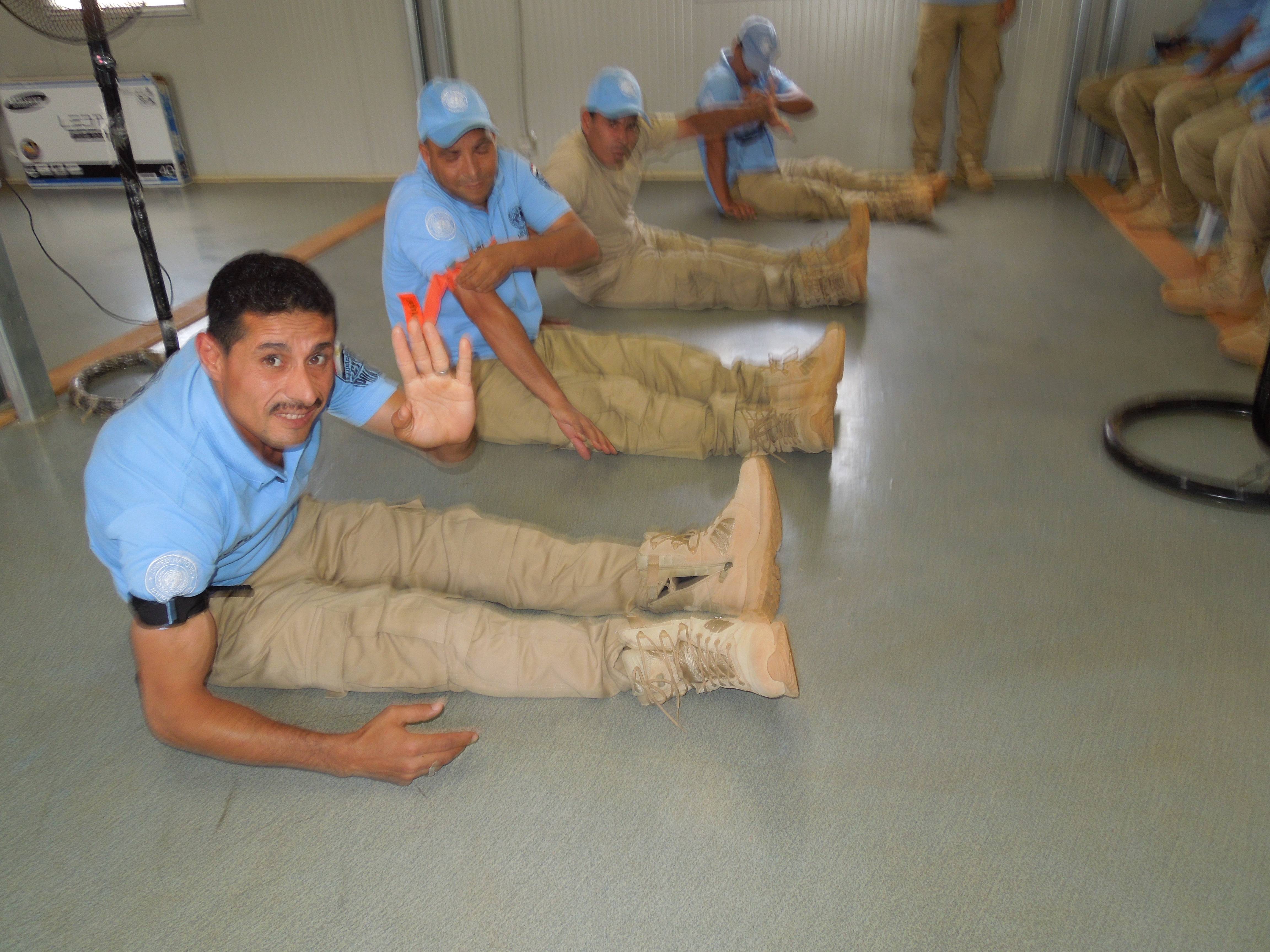
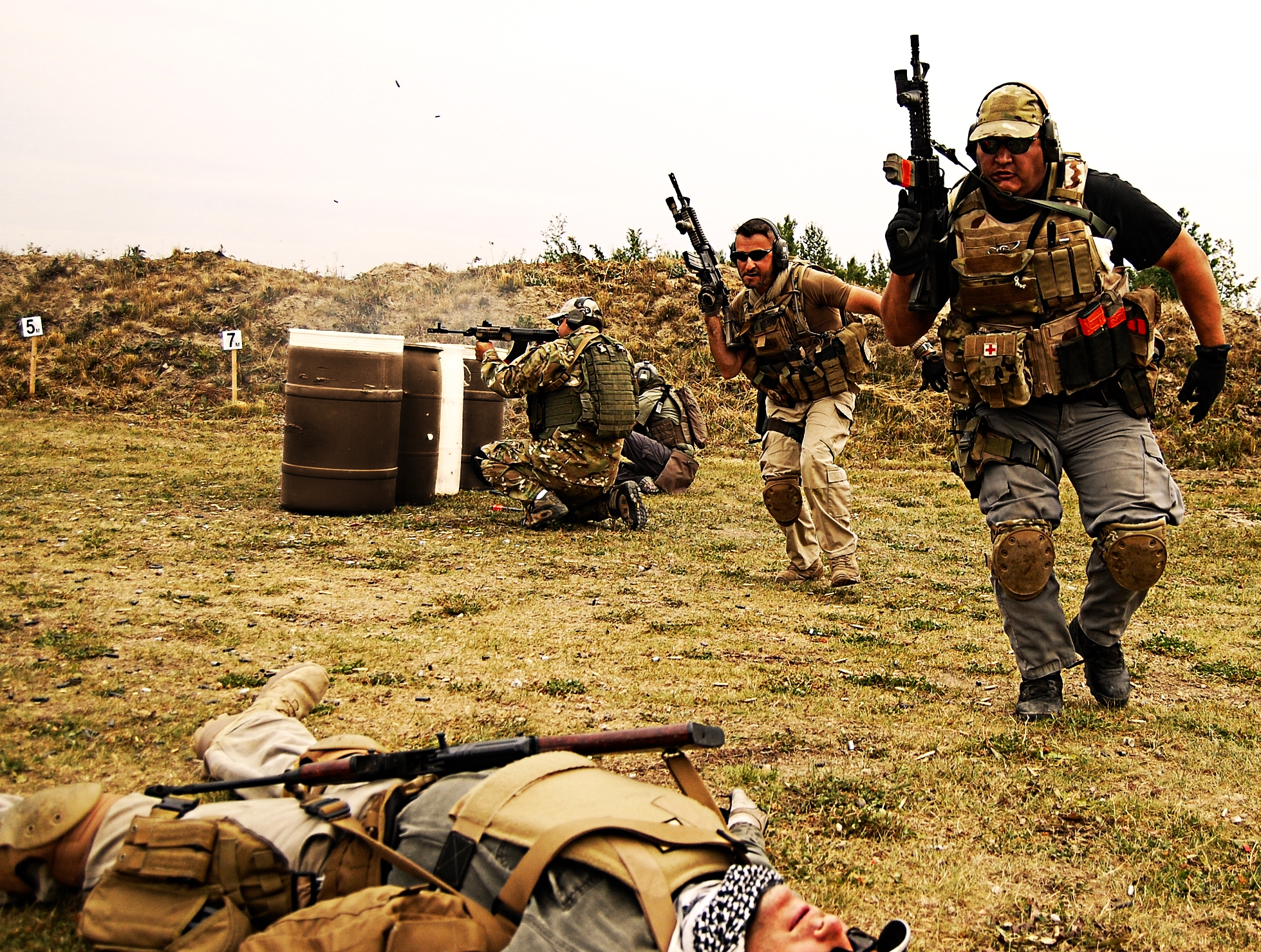
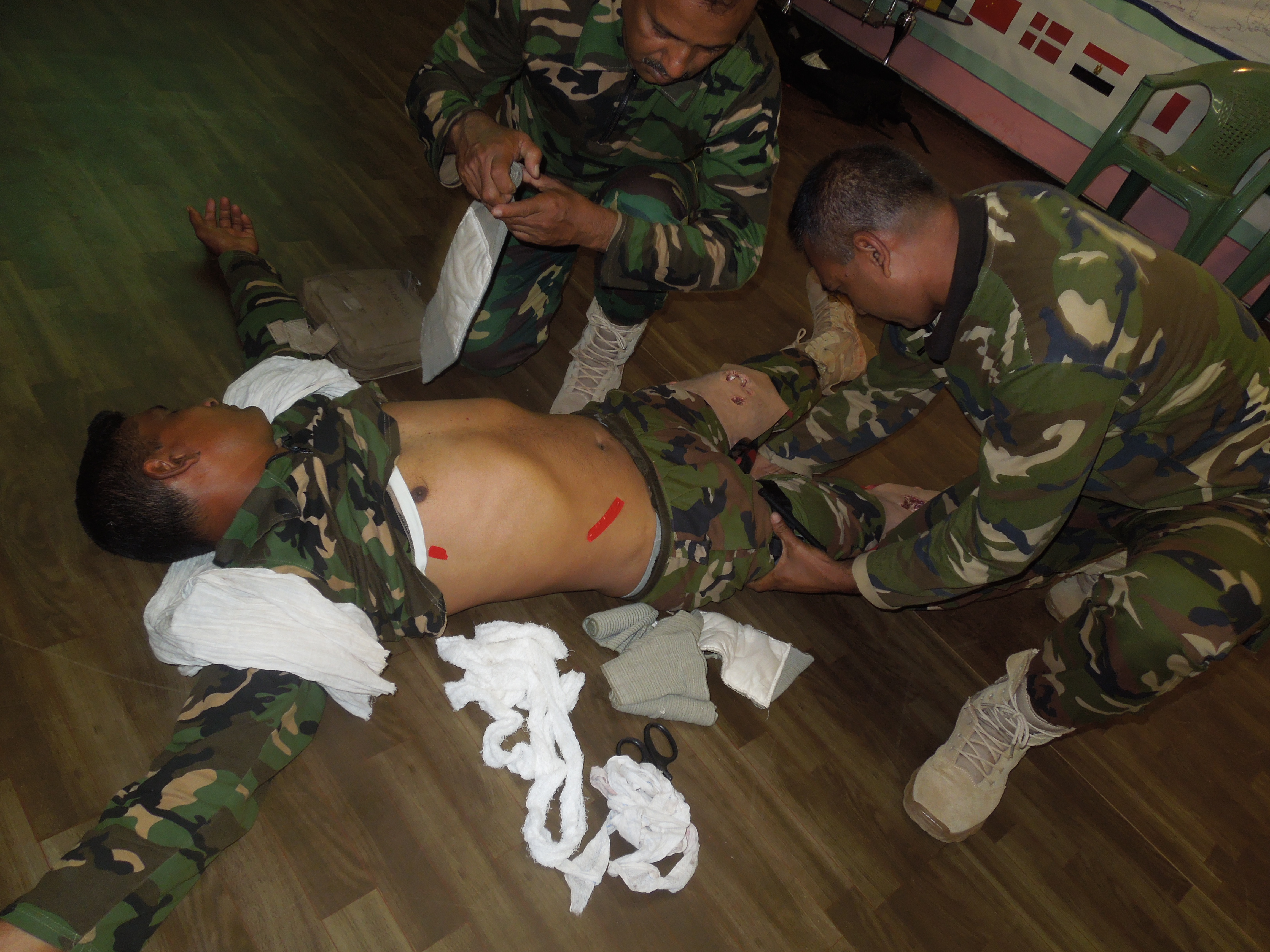







According to official statements, the response time for an ambulance in Canada is 12 minutes. In reality, the average time for an ambulance to respond is 20 minutes in the city, and 1 hour in rural areas.
It can take less than a minute to bleed to death.
Those moments before EMS personnel are present on the scene, are the critical gap this course trains you to bridge. Critically injured casualties, who make up about one-quarter of all trauma patients, will die without assistance.
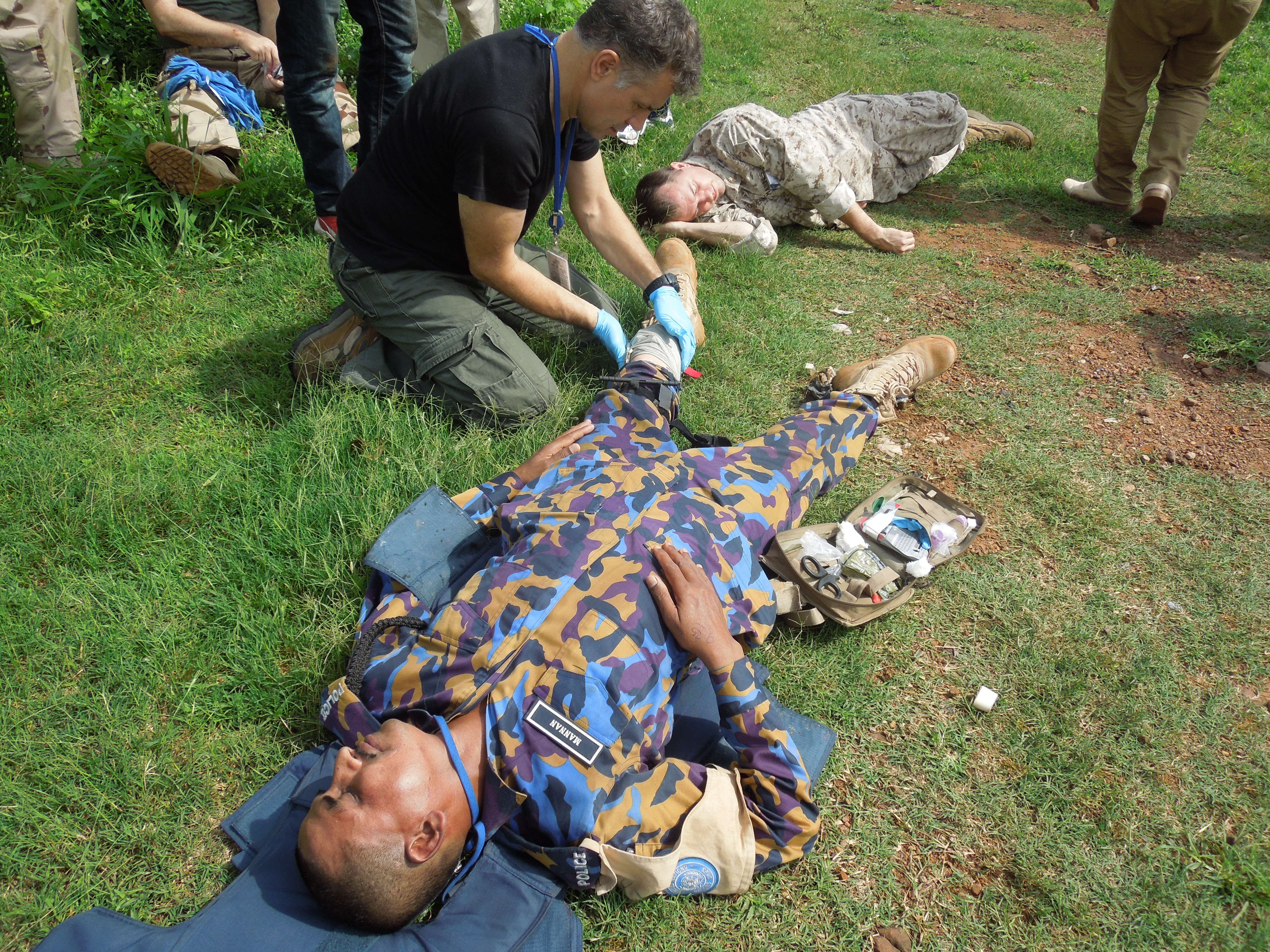
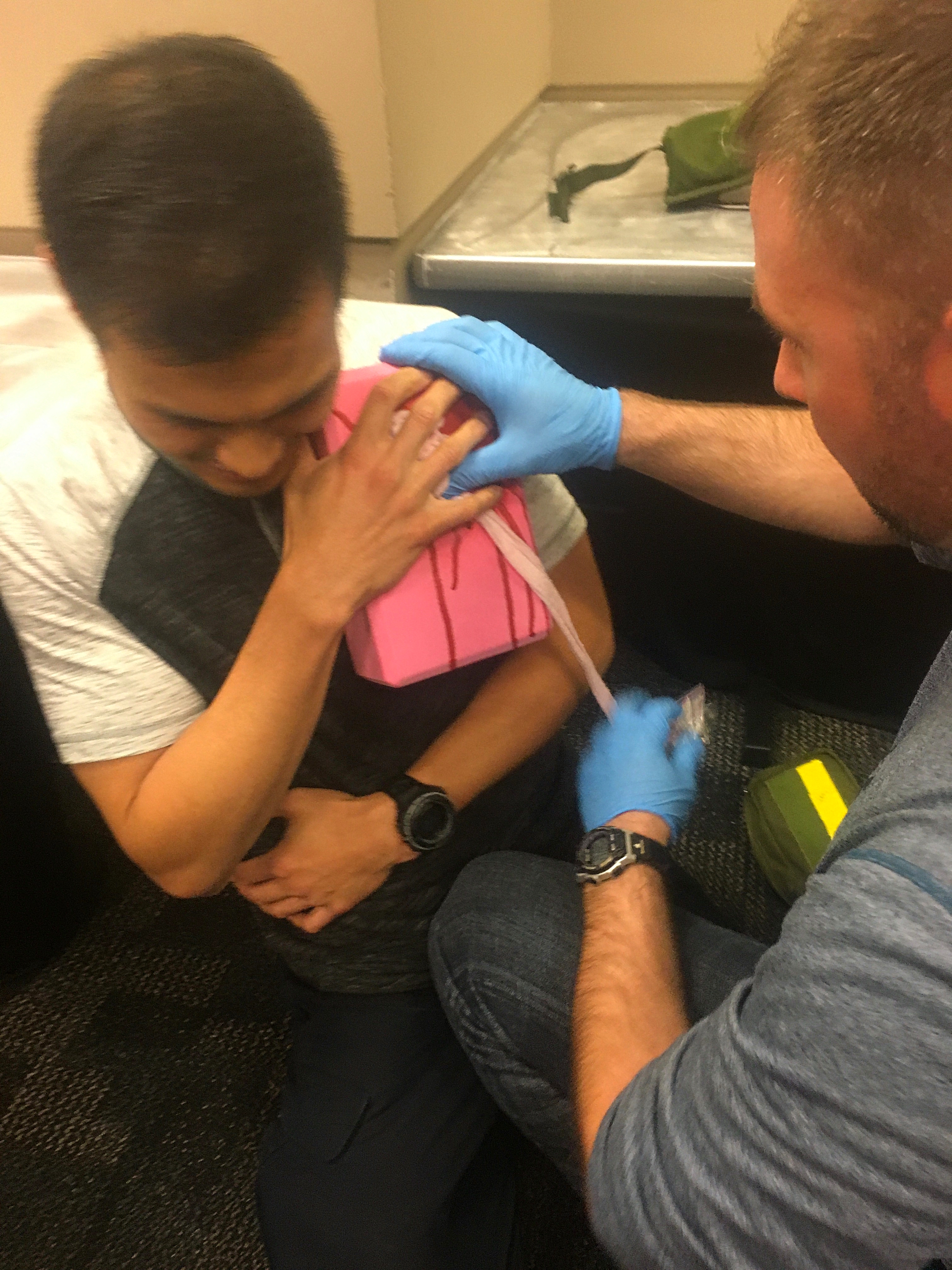
The Critical Gap course is directly inspired by the TCCC Principles (Tactical Combat Casualty Care) and is adapted to apply to the civilian world. You will learn hands-on practices that are geared to save lives by applying tourniquets, hemostatic dressings, and chest seals. Students will be brought through basic first aid techniques and be brought through treatments for more complex life-threatening situations.
By joining this course, you are taking a stand to save lives.
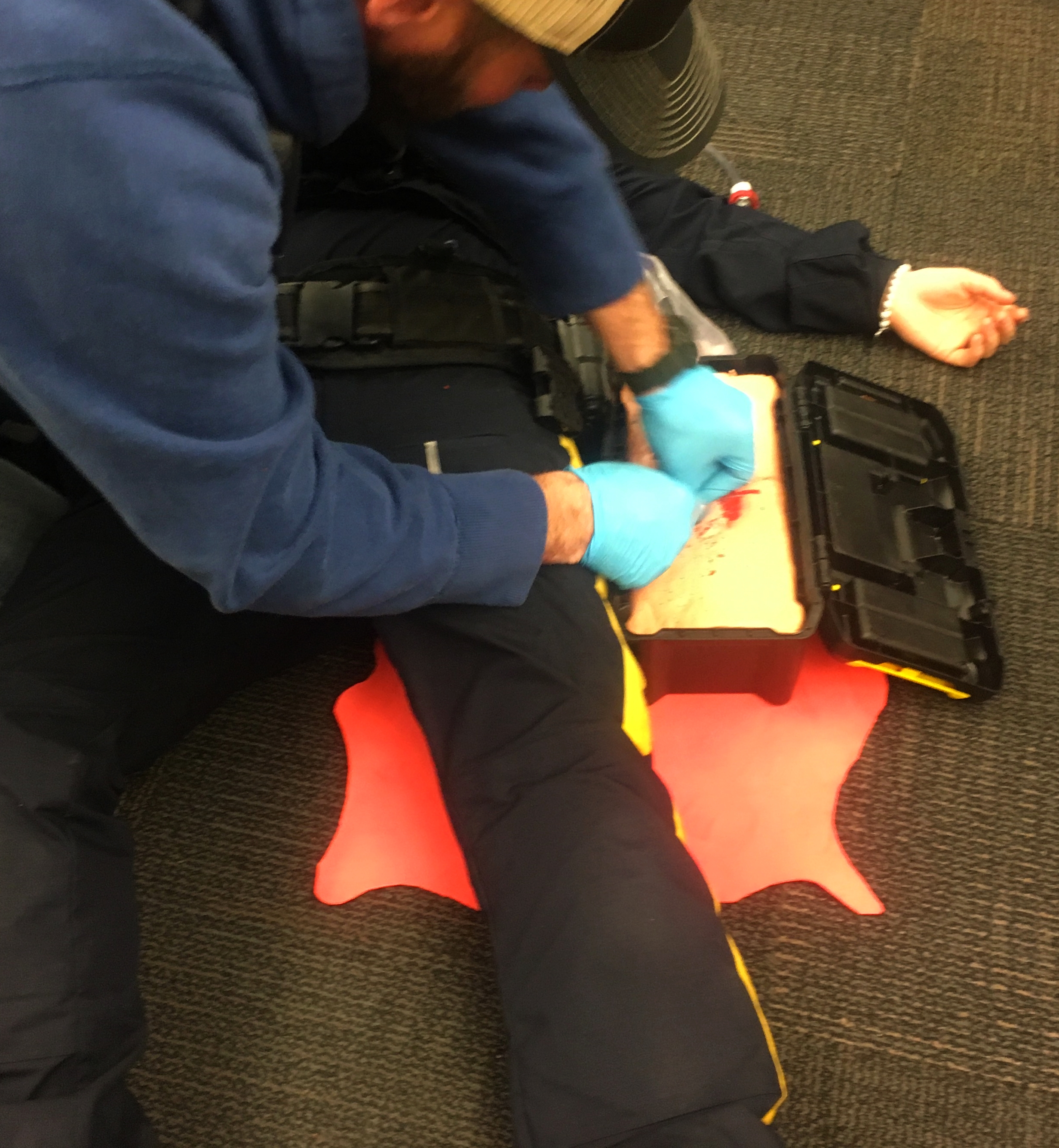
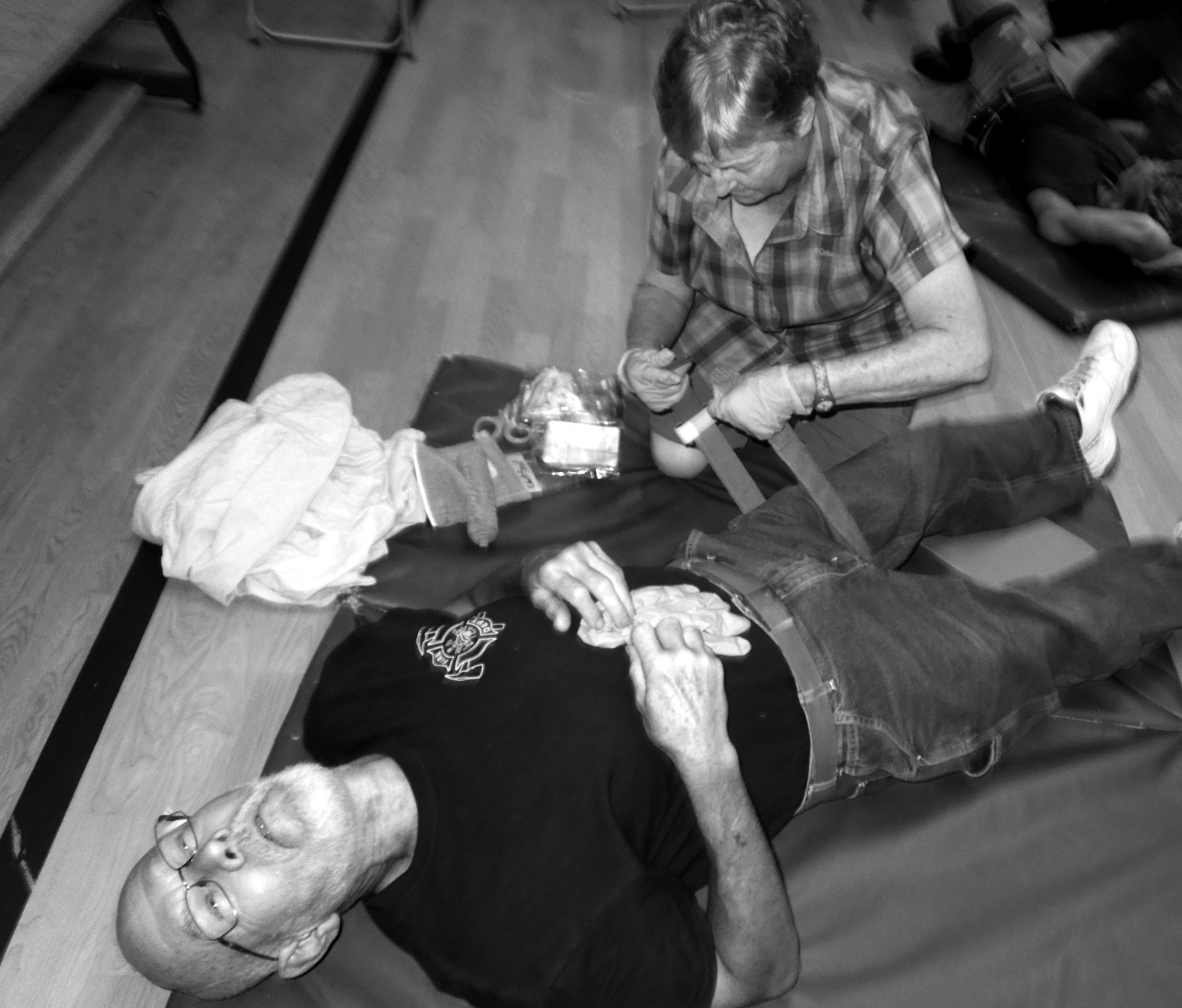
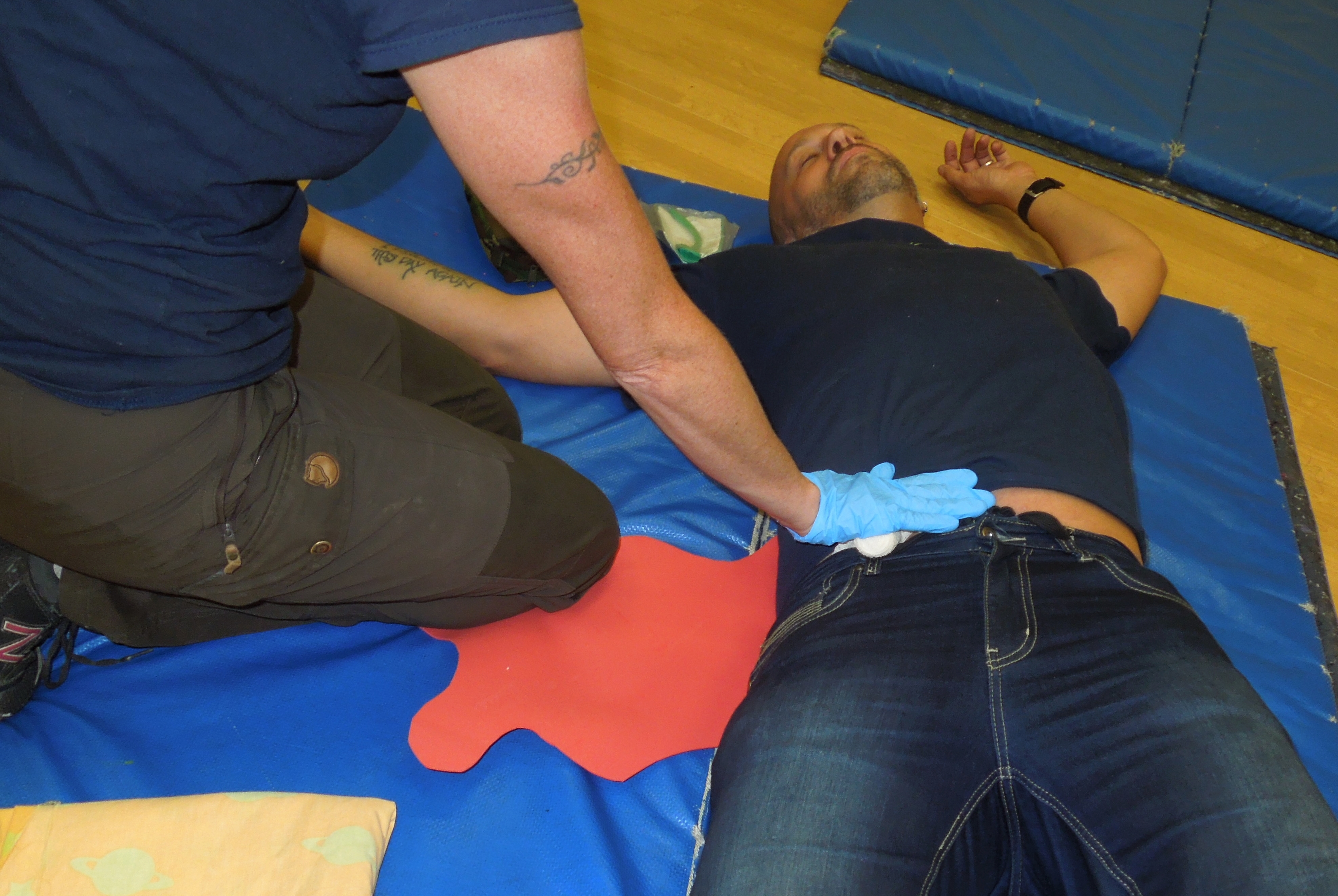
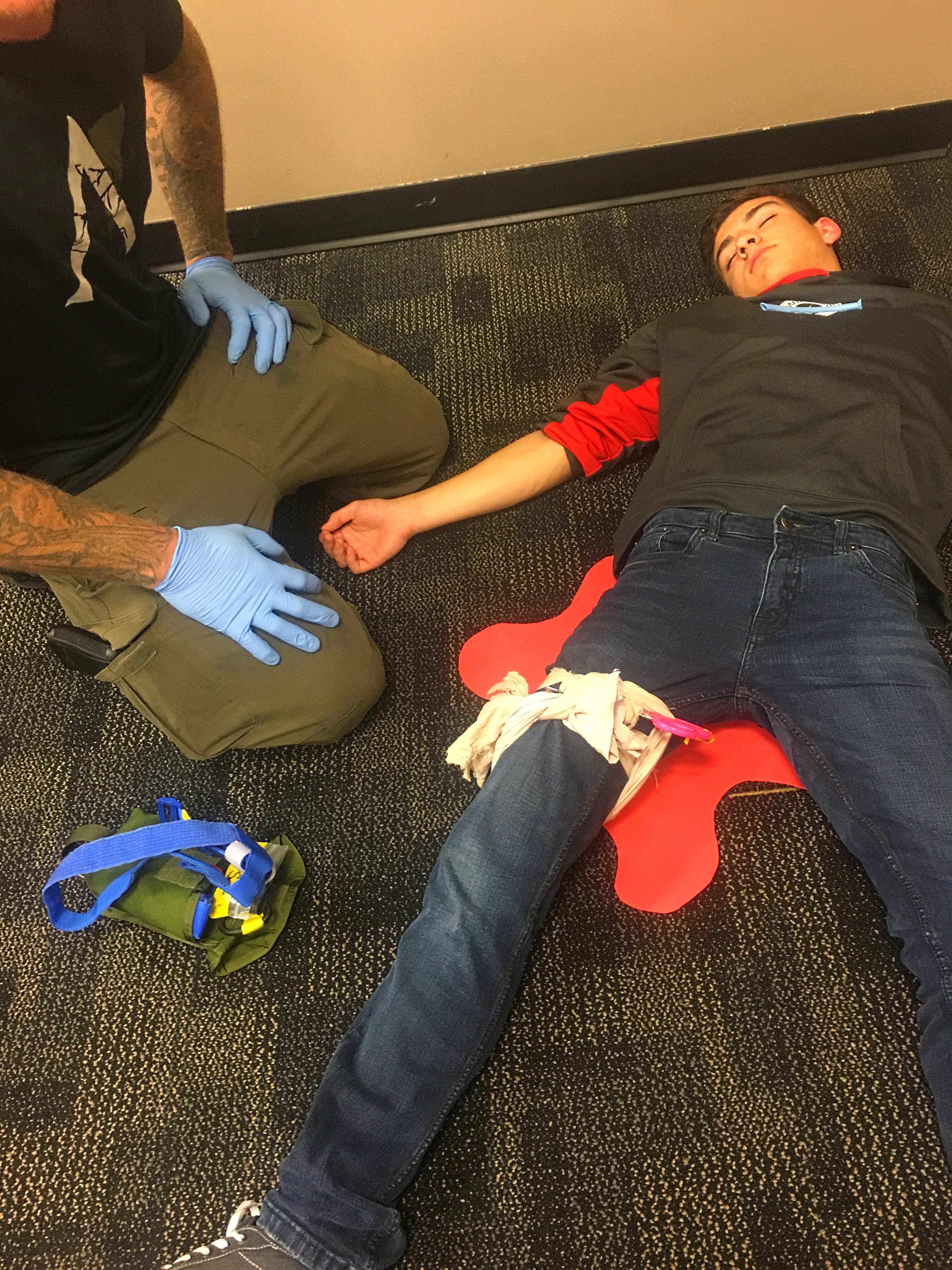
Following the 2012 Sandy Hook Elementary School Massacre in Newtown, Connecticut, President Barack Obama called for a unified effort to enhance the public's resilience to events resulting in mass casualties. In 2013, The American College of Surgeons responded with the Hartford Consensus which called for training the public in techniques to control bleeding. If injuries have occured and medical professionals are unable to attend the scene because of an active shooter or threat of an explosive device, have members on the ground with basic bleeding-control training will save lives.
With the same mindset there is around learning CPR, the general public should actively learn to perform proper bleeding-control techniques. These skills should include how to use your hands, field dressings, and tourniquets. When it comes to uncontrollable bleeding, death can occur within minutes, but with basic bleeding-control training the loss of life can be mitigated.
BleedingControl.org is an initiative designed by the American College of Surgeons and the Hartford Consensus. The website contains diagrams, news, videos, and other resources contributed by a variety of other private and nonprofit partners to help prepare you in the event you are witness to one of these unspeakable events.


Copyright © Rhodes Solutions. All rights reserved 2019
During overseas deployments the online store will not be active and orders should be sent by email at: sales@rhodes-solutions.ca Thank you for your understanding Nick P. Dismiss